

Indore tragedy: Why is suspension of officials the first option?
Suspension leads to two things: public anger calms down and the administration gets time to manage the situation and find solutions


 Indore, Jan 16: The water contamination crisis in Indore’s Bhagirathpura has now reached national and international attention. With 20 deaths so far, several people on ventilators, hundreds hospitalised, new infection cases still emerging, and the administration distributing drinking water, chlorine tablets, relief amounts, and beginning pipeline replacement, many developments have unfolded in this contaminated water case.
Another major move has been the suspension, transfer and issuance of show-cause notices to employees and officials concerned.
Walking through the lanes of Bhagirathpura, speaking to residents, and watching videos  on social media showing failures in the trial runs of the new pipeline, several questions kept coming to my mind.
Why suspension?
How useful is it to suspend officials working in that area immediately after such an incident? Does bringing in a new officer actually ensure quick resolution? Does suspension truly cause no harm to the suspended officials? And does this process really help in saving the time, energy and money of the public and the administration?
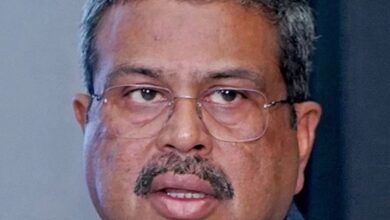
Rameshwar Gupta, a retired IAS officer, former ADM, former Municipal Commissioner of Ujjain, and Chairman of Abhyas Mandal, said, “Suspensions are often done to keep public anger under control, as has happened in Bhagirathpura. What happened to the residents is tragic, of course, but it has also become a painful situation for the officials involved because their fault has not yet been proven.
Relared articles:
“As reports from Bhagirathpur so far show, residents were repeatedly lodging complaints. This means the officials or elected representatives did have knowledge of the problem. Then why was a solution not implemented? And, are all officers, employees and representatives responsible? This will be known only after an investigation. But somewhere, the process got stuck and action did not happen. Why did it stall? At which stage did the file get held up? This is not known at present. But surely, there was a lapse somewhere.”
“The administration often prioritises work that is publicly pleasing —things that appear on the surface and make the public happy. Meanwhile, essential but non-visible work gets pushed back. Improvements in drainage and water pipelines in Bhagirathpura fall into this category,” he added.
The former bureaucrat further explained that those working on sites are the first to be targeted. In the case of Bhagirathpura, the employees did report the issue and planning had begun. But the matter got stuck midway. Had the process been completed in time, this situation would never have arisen, he observed.
Suspension creates a public perception that the guilty have been punished. This leads to two things — public anger calms down and the administration gets time to manage the situation and find solutions.
“Although every officer is trained to handle such crises, officers are human too. They need time to understand the situation. For the officer who is suspended, the period until the investigation is completed is extremely difficult, especially if they were working honestly. Their salary increment or promotion may be stalled. If they are found not guilty, they can be reinstated, but no one can predict how long this process will take. The new officer who replaces them will also take time to understand the area, fix the problem, and ensure that new issues do not arise,” said Gupta.
The process of probe
Gupta explained that once suspension orders are issued, a chargesheet is prepared, and the officer must respond. A team comprising the inquiry officer, file reviewers, and others completes the process. The process is long-drawn. However, if the suspended officer is needed back in the problematic area, the suspension can be lifted.
At the end, even if the suspended officer is found innocent at the end of the investigation, the ignominy that the official would suffer over the period often affects the mental and physical health of the person.
Discouraging work culture
Another aspect of suspension, Gupta said, is to ensure the officer does not remain in contact with documents or personnel related to the issue, so they cannot misuse their position.
“In situations like Bhagirathpur, a useful suggestion could be to create a committee of honest, experienced retired officers and consult them once a month. They can provide solutions based on their experience. A group of people who have worked across departments can suggest multiple options. This could save time, money, and energy. However, neutral and unbiased functioning is crucial. Not all suggestions must be implemented, but hearing all viewpoints and evaluating them can lead to better decisions,” he added.
Speaking from his experience, Gupta said, “There is no proper system in municipal bodies to review complaints… The biggest flaw in the corporation is that instead of addressing complaints as a team, they simply forward them to a ward employee along with the complainant’s phone number… Lack of communication between departments also creates obstacles.”