

Weaving dreams on looms
Journalists from Sikkim,Tripura & Meghalaya visit Sualkuchi thanks to PIB

Sualkuchi (Assam),Jan 20: Assamese women weave dreams on their looms, said Mahatma Gandhi, who promoted handloom products, during his visit to the silk village Sualkuchi, Assam, on January 9, 1946.
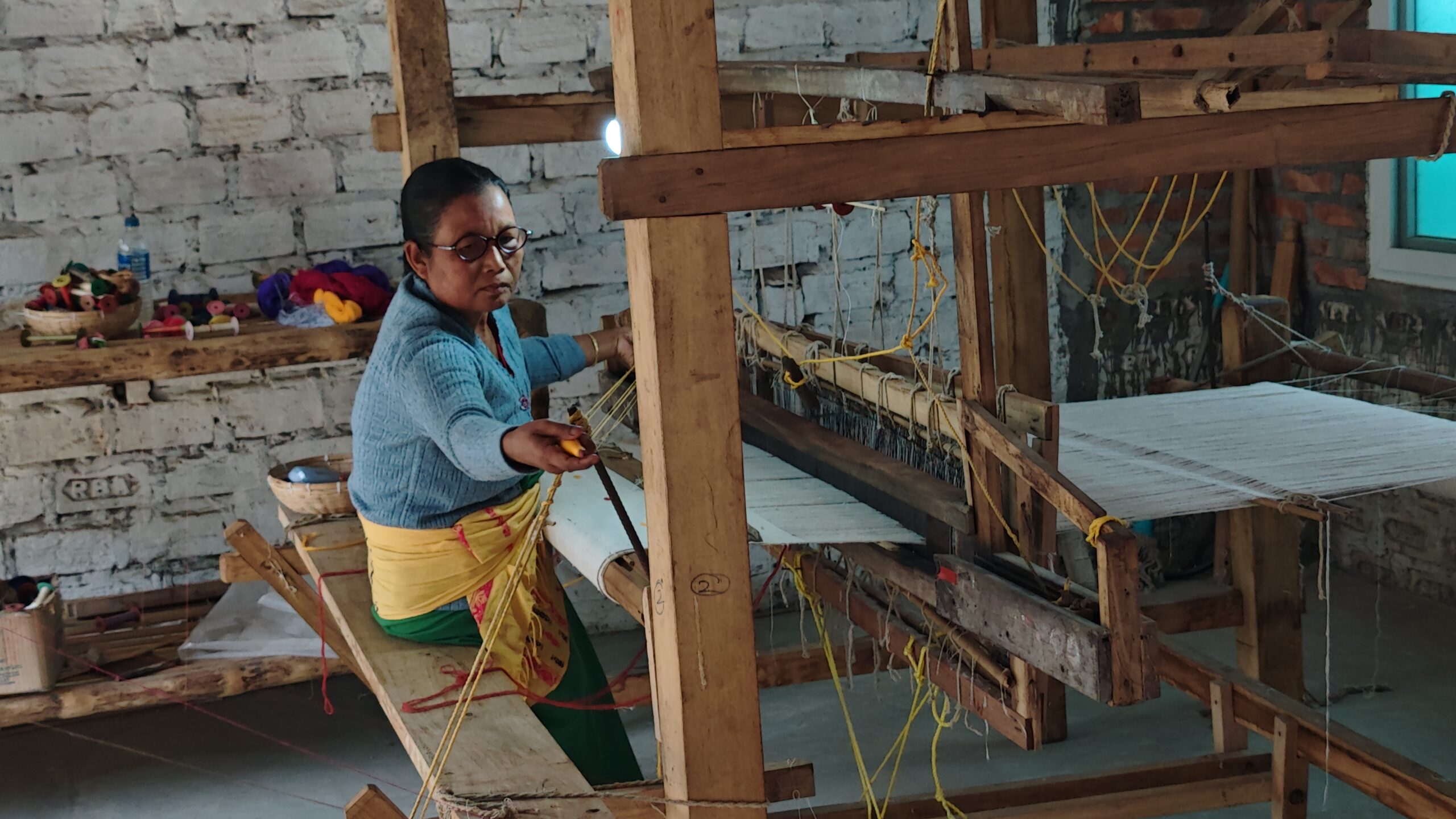
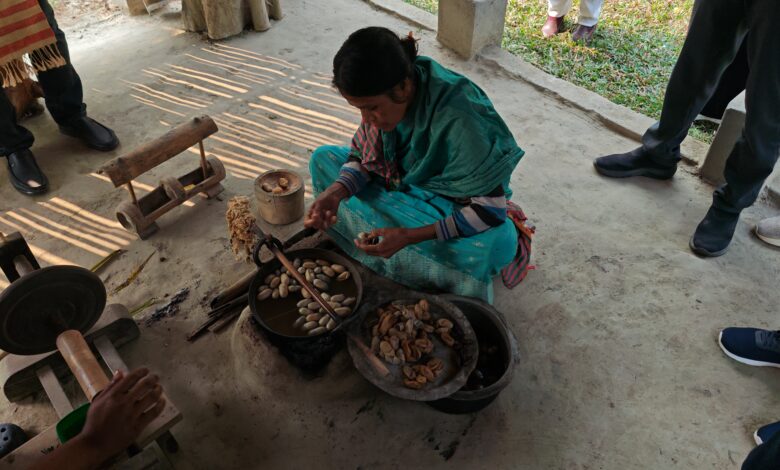
True to the words of Gandhi, the village, known for producing handloom products from muga, eri, tasar and mulberry, has attracted visitors for its unique tradition being kept alive by the villagers, mostly women.
During the PIB-conducted tour to the village on Tuesday, the Marvella group, which is assisting the Sualkuchi weavers with a cluster approach, told a visiting media team from Sikkim, Tripura and Meghalaya that the traditional weaving practices are helping the villagers to boost economy and tourism.
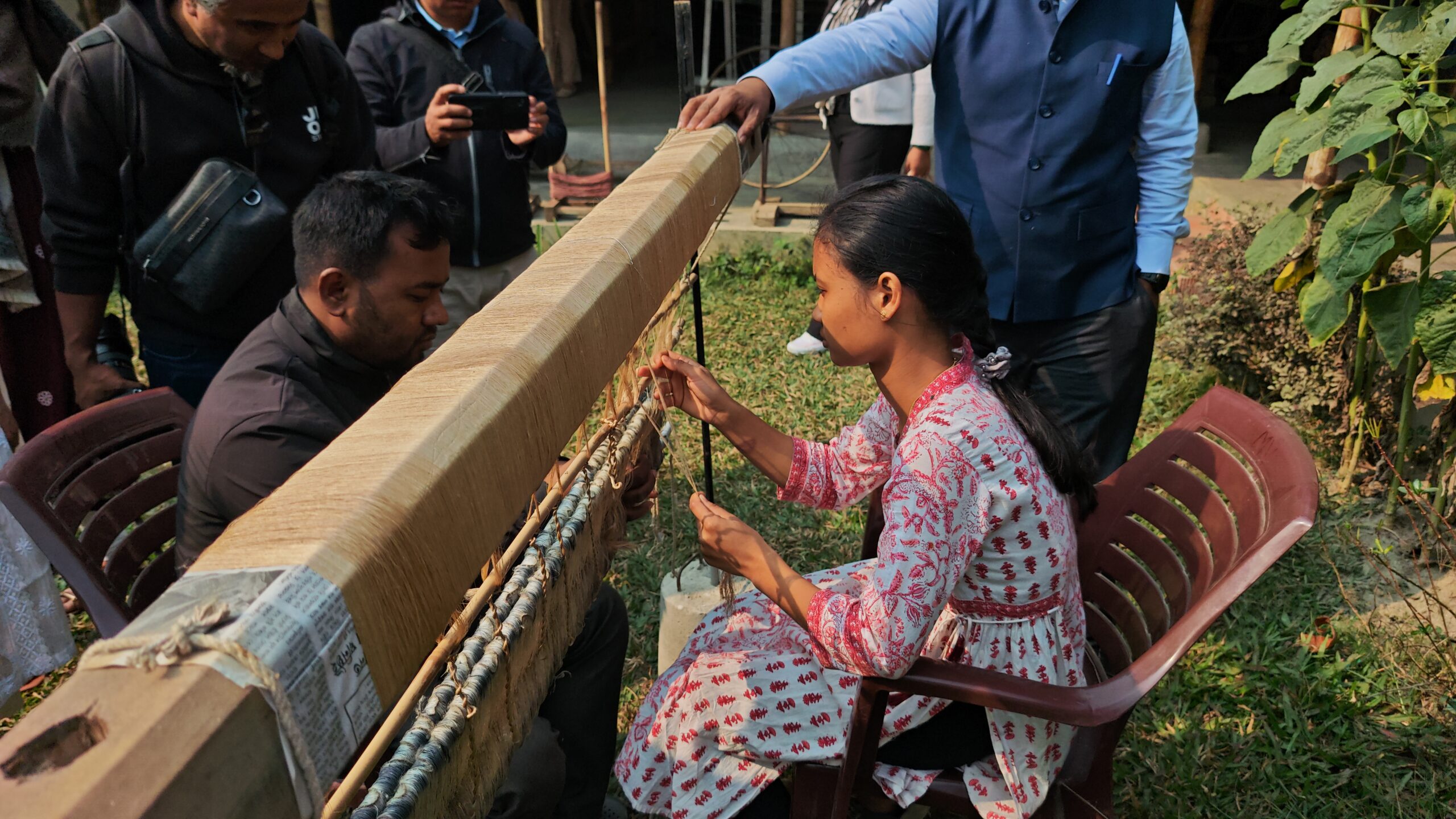
Jugal Bharali, who is the co-founder of Marvella along with his wife, explained about the time, energy and hard work involved in achieving the quality of hand-woven products. The tradition was in existence since the Pala dynasty.
A finished muga silk saree fetches over Rs 50,000, while the price of the same product made of eri silk is over Rs 15,000.
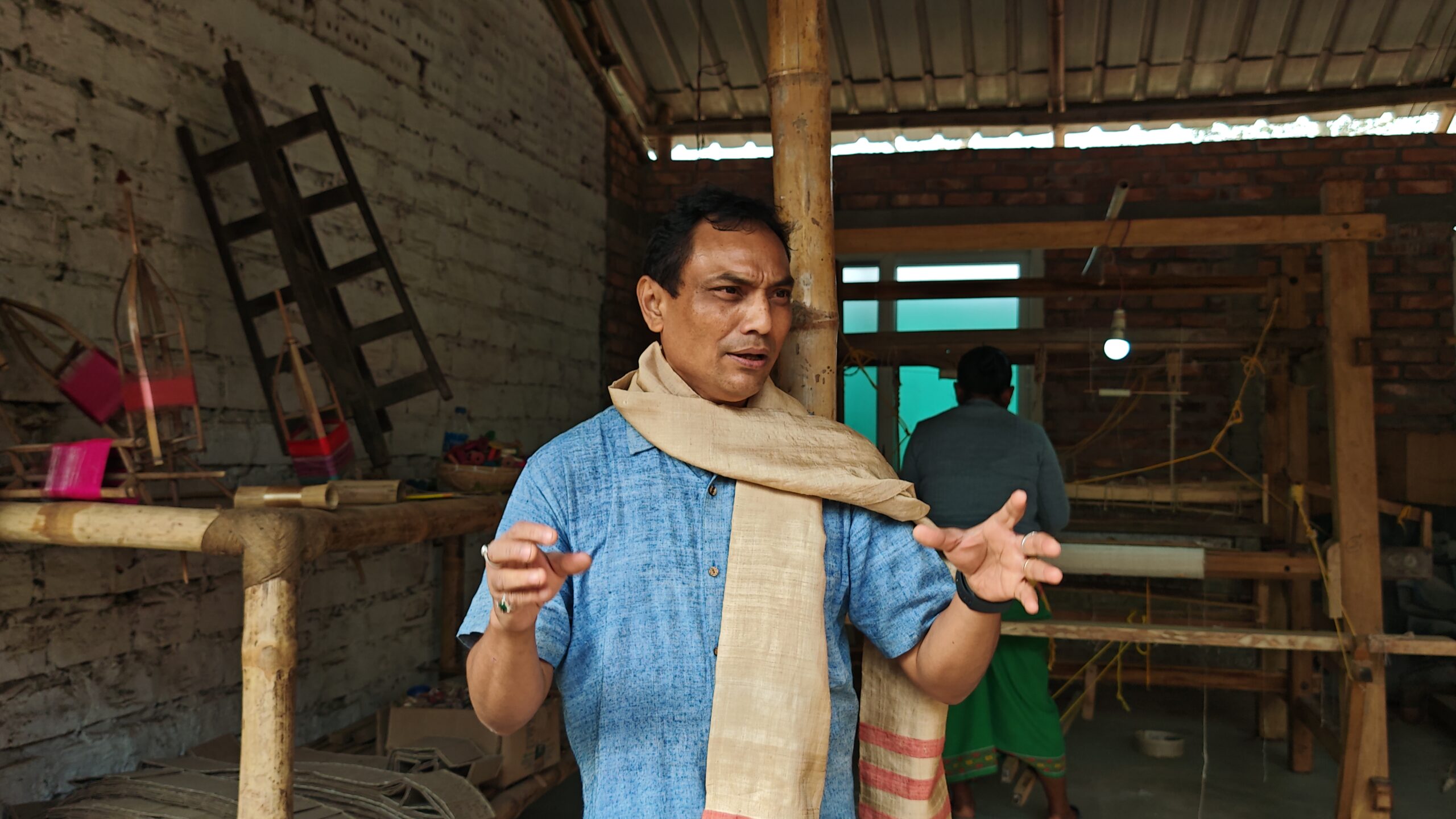
Besides Bharali, Smita Basumatari, who oversees the production, recalled the demand from Meghalaya for dhara made of eri silk (Ryndia).
Eri silk is also called Ahimsa silk, as the silk worms come out of the cocoons unharmed.
Umden-Diwon village in Ri Bhoi district of Meghalaya has emerged as an eri silk village, but the villagers can learn a lot from the neighbouring state in terms of better production management and marketing.
Namrata Das, Assistant Manager, North Eastern Handlooms and Handicrafts Development Corporation (NEHHDC), explained the readiness of the corporation to empower the traditional weaving community by way of expanding the business and marketing opportunities.
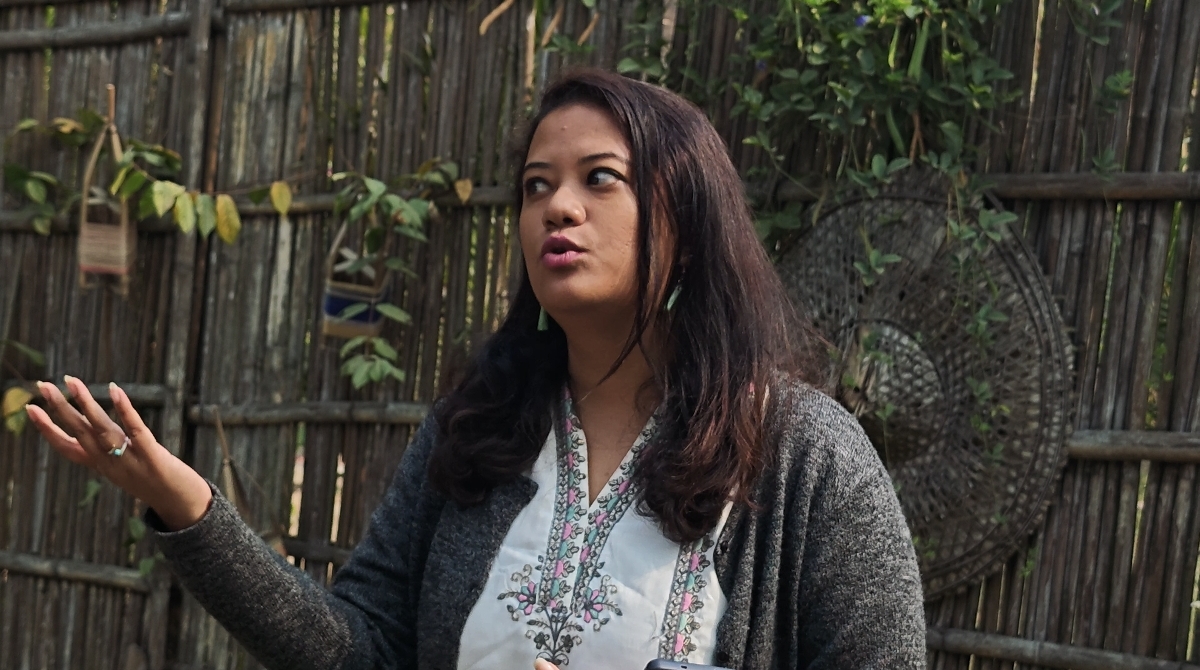
Das added that visiting Sualkuchi, known as ‘Manchester of the East’, enriches knowledge about the age-old tradition linked to the culture of the people.