



Editor,
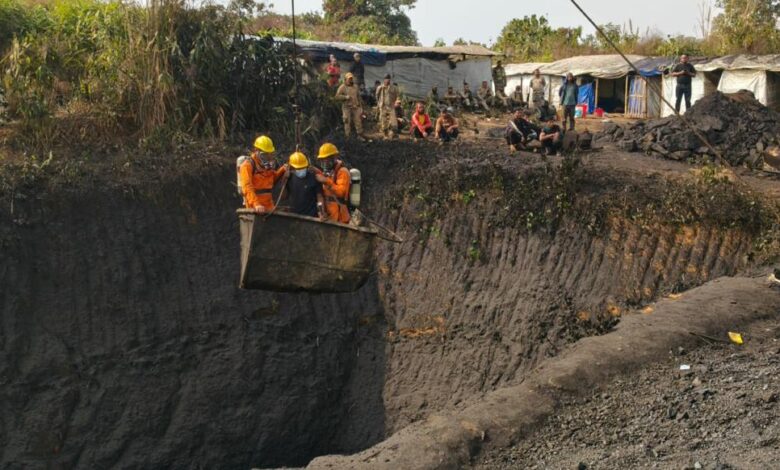
The deadly coal mine explosion in East Jaintia Hills — which has claimed at least 27 lives — is yet another grim testament to the devastating cost of unchecked illegal mining and chronic governance failures in Meghalaya. What should have been a preventable industrial accident has instead become a national disgrace, exposing systemic negligence that puts poor workers’ lives at risk for short-term profits.
Advertisement
Despite repeated warnings and past tragedies linked to “rat-hole” mining, illegal and unregulated extraction continues to thrive in the district, turning hillsides into death traps where men descend into narrow, unstable shafts with little oversight and zero safety assurances. This tragedy isn’t an isolated accident — it is the predictable result of years of state inaction, regulatory laxity, and tacit toleration of unlawful practices that have flourished under a veneer of economic opportunity.
The pattern is painfully familiar: reports of illegal operations surface, workers suffer harm or death, authorities announce inquiries, and the cycle repeats. In this latest blast, the toll climbed as rescue operations continued, involving the State Disaster Response Force and the National Disaster Response Force, while families waited in anguish for confirmation of their loved ones’ fate.
A judicial inquiry has been ordered, and a handful of arrests made, but inquiries alone won’t absolve decades of systemic complacency. Too often, enforcement measures kick in only after a catastrophe strikes. The district administration’s ban on illegal mining, equipment seizures, and prohibitory orders are overdue and laudable in intent — yet they remain reactive rather than preventive.
Even more damning is the broader context: illegal mining persists despite a ban on hazardous “rat-hole” methods established by the National Green Tribunal years ago. Every new incident is a reminder that enforcement without deterrence is toothless and that regulatory mechanisms have been either undermined or ignored.
The economic imperative cannot and should not be allowed to override human safety. No amount of compensation or official grief can replace lost lives, many of whom were migrant workers simply trying to earn a livelihood. Two Nepali brothers among the dead underscore another uncomfortable truth — the poorest and most vulnerable bear the brunt of systemic failures.
This disaster must trigger more than sympathy; it requires structural accountability. Political leaders and administrators must answer why illegal operations have proliferated for so long without effective checks, why enforcement remains reactive, and how a culture of impunity can exist in a sector that repeatedly endangers lives.
Meghalaya can ill afford the moral and social cost of these tragedies. Real reform means dismantling the networks that enable illegal mining, ensuring transparent oversight, protecting workers with enforceable safety standards, and rewriting the state’s approach from indifference to prevention. Anything less is complicity in a cycle where profit is valued above human life.
Yours etc.
A concerned citizen