


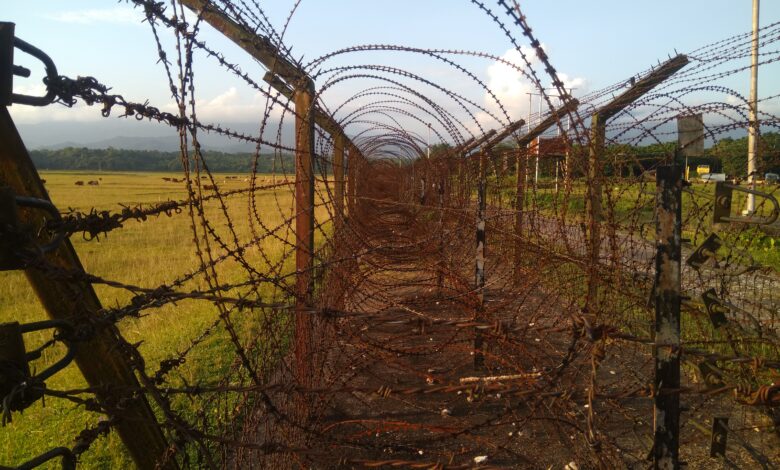
 The Liberation War of 1971 changed the history and demography of the Eastern South East Asia. It not only birthed a new country but also led to a huge exodus of people from erstwhile East Pakistan who settles in different parts of India, including the North East, recalibrating the demographic fabric of the region.
When we look back at the time and events, we find several names associated with this struggle for identity. The Bengali-speaking population, irrespective of their religion, fought for one cause, language. It is fascinating to know how a generation risked their future to establish its identity the face of a dictatorial regime that forced a language on it.
However, as we chronicle the dark days of struggle, we only talk about the Bengali-speaking community and forget the contributions of other communities which became a part of the revolution for the love of the land. One such community is the Khasi, a matrilineal tribe whose predominance is in the northeastern state of Meghalaya.
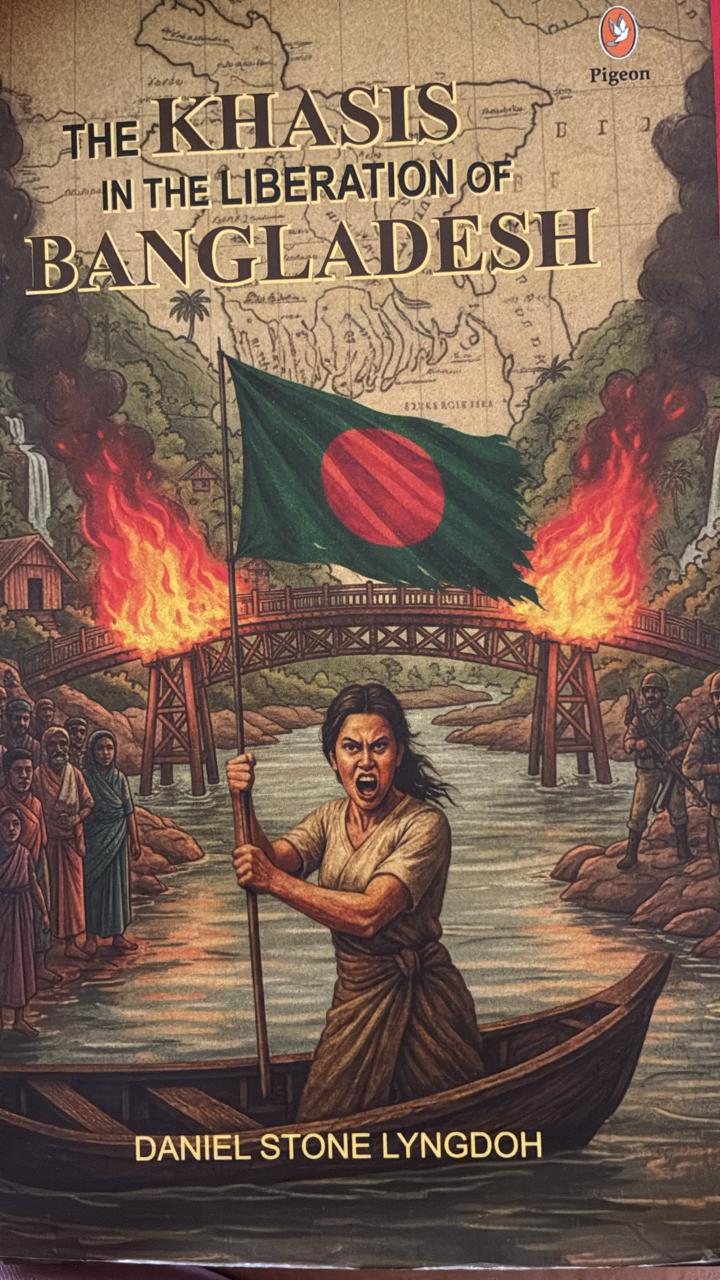
I his latest book, The Khasis in the Liberation of Bangladesh, Supreme Court lawyer and author Daniel stone Lyngdoh tells the stories of these brave hearts and intellectuals who were conspicuous in the revolution.
The first name that comes up while discussing the role of the Khasis in the fight for Bangladesh is Wickliffe Syiem, who was born in Nongstoin, now in west Khasi hills, and educated in erstwhile Calcutta, Bombay and Baroda. Syiem, who belonged to the royal family, was a freedom fighter who was vocal against the regressive colonial rule in India. Later, he shifted to East Pakistan.
With a military background, Syiem became a crucial cog in the Liberation war by providing strategic training to the muktijoddhas. Besides being a freedom fighter, Syiem was a social worker and worked incessantly for the welfare of the Khasi community in Bangladesh. Even today, a substantial number of Khasi community members live along the Indo-Bangla borders.
 Another name that history will remember is that of Kakon Bibi, born Ka Ket Hynniewta in Nongtrai village under the Shella Confederacy. She was a clothes trader who later shifted to east pakistan and married a Muslim soldier and took the identity of Noorjahan.
When the war broke out, her name was suggested as a freedom fighter and she proved her mettle. She was arrested, raped and tortured by the West Pakistanis for helping the muktijoddhas, but nothing could break her. Her contributions were, however, not acknowledged, and in 2006, “Kakon Bibi was honoured only as a freedom fighter and not as a Bir Protik awardee at fort William, Kolkata”.
There were several other war heroes from the Khasi land who, despite the difference in language, fought for the cause and love of the people and land of East Pakistan. Among the prominent names are Africa Suting, Siren Myrchiang, Daniel Dkhar and Ioannis Lamin. While not many remember these names, these personalities deserve the honour of freedom fighters of Bangladesh.
Lyngdoh has done a thorough research, visiting Bangladesh several times and interviewing descendants of these muktijoddhas to tell a unique story of bravery.
The latest book is an important documentation and a valuable addition to the documents that we have about the Liberation war so far.
Book: The Khasis in the Liberation of Bangladesh; Author: Daniel Stone Lyngdoh; Publisher: pigeon; Pages: 137; Price: Rs 499