



Miracle Mawlot
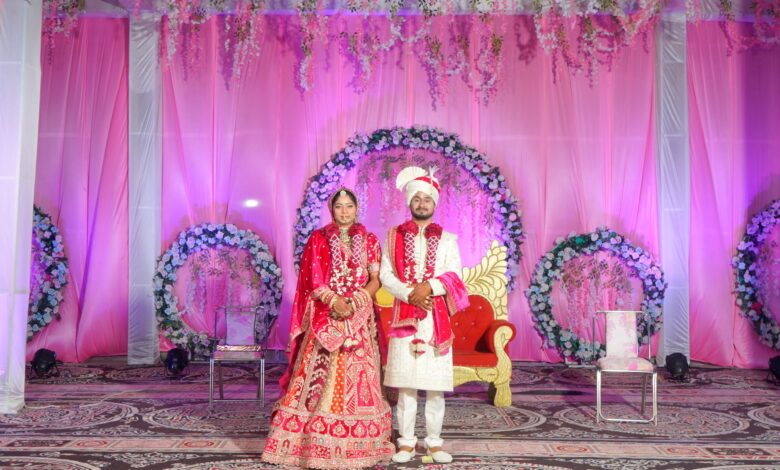
When Raja Raghuvanshi’s murder dominated national headlines, India reacted with horror. A newly married man vanished during a honeymoon trip in Meghalaya, and days later his body was found in a gorge. Allegations of conspiracy and betrayal transformed the case into one of the country’s biggest crime stories. Television debates exploded, YouTube channels chased every update, and social media turned tragedy into spectacle. Yet beneath the outrage lies an uncomfortable question: why do some murders become national obsessions while others disappear quietly into silence?
Crimes involving betrayal, domestic violence, jealousy, and even allegations of influence protecting the accused are not unique to Delhi, Mumbai, or mainland India. They happen in Meghalaya too. Some involve ordinary citizens. Others involve powerful individuals. Yet most never receive national attention and many vanish from public memory altogether. India’s media culture does not respond equally to all crimes. It responds to stories. The Raja Raghuvanshi case contained every element required for modern media obsession: a honeymoon trip, a tourist destination, a mysterious disappearance, emotional interviews and dramatic allegations.
The case was not merely reported — it was consumed. Suddenly, millions who had never heard of Sohra or the Khasi Hills began discussing Meghalaya as though they understood the region overnight. Tourism fears spread online while rumours multiplied faster than facts. Meanwhile, countless other violent crimes across India remained invisible. This reflects a larger problem within India’s media economy.
Murders become “important” not necessarily because of moral seriousness, but because they generate outrage, clicks and endless engagement. A poor labourer killed in a remote village rarely becomes national news. A widow waiting years for justice rarely appears on television. But a dramatic case with cinematic storytelling becomes profitable content.
Across Meghalaya, especially in districts rarely discussed outside the North East, residents can recall stories involving suspicious deaths, domestic violence, and allegations of influence protecting the accused. One such alleged case from West Khasi Hills reportedly involved the murder of an innocent husband by his wife and her wealthy lover. According to local accounts, the accused allegedly had influential family and police connections.
Residents also alleged that while lodged in Shillong District Jail, the accused enjoyed privileges and comforts unavailable to ordinary inmates. One claim that circulated widely was that a judicial magistrate had been seen personally handing him a packet of kwai inside the jail — a detail that became symbolic in public imagination because it suggested a level of familiarity unimaginable for most undertrial prisoners. Rumours further circulated that influential connections helped soften the harshness of incarceration itself.
Whether every allegation can ultimately be proven in court is a separate matter. The larger issue is public perception. The accused reportedly secured bail within three months, reinforcing a widespread belief that powerful individuals experience the criminal justice system differently from ordinary citizens. Today, many residents reportedly still see him moving freely through Shillong, particularly in Laitumkhrah, driving a red Alto 800 as though nothing ever happened. For ordinary citizens, that image has become deeply unsettling. Once people begin believing that justice depends on wealth, political access, or personal networks, trust in institutions begins collapsing.
The Raja Raghuvanshi case also exposed Meghalaya’s fear of being stereotyped. For decades, many people from Northeast India have experienced ignorance, racism, and neglect from mainland narratives. National media often notices the region only during violence, disasters, or sensational crime. So when the honeymoon murder dominated headlines, many residents reacted defensively. They feared outsiders would label Meghalaya unsafe and damage tourism. Those concerns were understandable. Large sections of social media immediately began generalising about Meghalaya itself rather than focusing on the accused individuals. No state should be collectively condemned because of one crime.
At the same time, another danger emerged. In trying to defend Meghalaya’s image, some people became uncomfortable discussing crimes occurring within the state itself. The conversation shifted from “How do we ensure justice?” to “How do we protect the state’s reputation?” Those are not always the same thing.
A mature society must be capable of doing both: rejecting unfair stereotypes while also confronting uncomfortable truths. Pretending local problems do not exist does not strengthen Meghalaya. Denial never produces justice. One of the most corrosive beliefs in India today is that the wealthy experience a different legal system from ordinary citizens. Across the country, stories repeatedly emerge of influential prisoners receiving privileges, politically connected accused avoiding aggressive investigation, and cases fading quietly from public attention.
Ordinary citizens notice the contrast immediately. A poor undertrial may spend years in prison awaiting trial, while a connected accused often appears to secure comfort and relief quickly. Whether every allegation is fair or not, the perception itself damages democracy. The legitimacy of law depends not only on court judgments but also on public faith that rules apply equally. Once citizens begin believing that wealth can purchase softer treatment, every institution becomes suspect — police, courts, prisons, politicians, and even the media. Modern Indian media increasingly behaves less like a public institution and more like a crowd chasing emotional momentum. When a case trends nationally, journalists suddenly speak the language of morality and accountability. But where are those voices when local families struggle silently for years?
The answer is uncomfortable but simple: most suffering is not profitable. A crime becomes nationally valuable only when it contains dramatic storytelling potential. This creates a distorted landscape in which some victims become symbols while others disappear into silence. Social media worsens the problem. Online outrage rarely seeks consistent justice; it seeks emotional stimulation. One week, users become amateur detectives. The next week, they move on completely. The families, however, remain behind — still grieving and still waiting. Smaller societies like Meghalaya face another challenge. Social circles often overlap heavily. Police officers know businessmen. Businessmen know politicians. Politicians know families. In such tightly connected environments, silence becomes socially easier than confrontation.
But Meghalaya must resist the temptation to treat criticism as betrayal. Questioning influence is not anti-Meghalaya. Demanding fairness is not anti-Meghalaya. Accountability is one of the strongest forms of respect a society can show itself. At the same time, bail does not automatically mean innocence or guilt. Courts are required to protect due process, even in serious cases. But technical legal explanations alone cannot repair public distrust. If India truly wants justice beyond viral outrage, several uncomfortable changes are necessary. Regional crimes deserve serious attention even when they lack sensational appeal. Prison oversight must become more transparent. Local journalism deserves stronger protection. Citizens must stop confusing criticism with hatred.
Most importantly, media consumers themselves must change. The public cannot demand ethical journalism while rewarding sensationalism every day. Every click teaches media houses what society values. The real issue is not whether one murder received too much attention. The real issue is why so many others receive almost none. Some families receive national sympathy while others receive silence. Some accused become symbols of evil while others quietly return to ordinary life. And somewhere within that imbalance lies one of the deepest crises facing Indian justice: inequality of visibility itself. In modern India, being seen often matters almost as much as being right. For countless forgotten victims across Meghalaya and the rest of the country, invisibility may be the cruelest injustice of all.
(The author is an independent observer and aspiring public commentator from Nongstoin, interested in media narratives, regional representation, and the unequal visibility of crime and justice in India.)
ALSO READ: