


AMR: Good girls must first take care of themselves
If we want to fight AMR effectively, we must listen to the women, diagnose them early on & ensure proper treatment

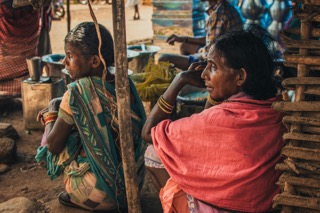
 The common phrase ‘good girls take care of family’ reflects a deeply ingrained social expectation, often referred to as ‘Good Girl Syndrome,’ where girls and women are expected to be nurturers, compliant and prioritise others’ needs over their own. This often translates to handling household burdens, emotional labour, and caregiving to ensure family stability.
It is important for girls and women and people of all gender diversities to prioritise infection prevention and control, and access public healthcare services in a rights-based, gender transformative, non-stigmatising and non-discriminatory manner as and when needed.
AMR threatens health, food, environment
“Drug resistance or Antimicrobial Resistance (AMR) is caused by misuse and overuse of medicines in human health, livestock health, food and agriculture and it is also polluting our environment. We cannot afford any misuse and overuse of medicines in any sector if we are to deliver on SDGs. However, AMR is already among top 10 global health threats and is also threatening food security and our environment along with a significant economic cost,” said Dr Ijyaa Singh of ReAct Asia Pacific at the Women Deliver Conference 2026 – the world’s largest gathering on gender equality this year.
Women and girls (including those sick with infectious diseases) are the primary carers in most settings — especially in the Global South. But the infection prevention and control measures in the healthcare facilities, communities and homes are far from optimal to protect them and undermine the roles and responsibilities they shoulder.
Many studies looking at male: female ratio of child vaccination, unsurprisingly reveal that the male child is more likely to have received essential immunisation as compared to a girl child. When it comes to screening and diagnostics for a range of infections, women are less likely to seek health services in a rights-based, person-centred and gender transformative manner.
A complex mix of biological, social, cultural and economic factors arising from gender-based inequalities and injustices impact infection prevention and control, said Singh.
Gender inequalities fuel AMR
Gender inequalities, harmful gender norms, stereotypes and tropes have normalised the neglect of the well-being of girls and women, making them more vulnerable to AMR.
Lived experience of girls and women and gender diverse communities show how violence puts them at increased risk of getting infected with sexually transmitted infections
According to Dr Soumya Swaminathan, former Deputy Director General for Programmes and former Chief Scientist of the World Health Organisation (WHO), “We cannot be successful in reducing or preventing AMR, without tackling gender-based violence, as violence impacts the access of women to healthcare. She was speaking at AMR Dialogues hosted earlier this year by Global AMR Media Alliance (GAMA) which was re-presented at SHE & Rights session at the Women Deliver Conference 2026.”
“Women are at a very high risk of intimate partner violence or domestic violence — physical or sexual. This could lead to more infections. And because of their position within the household and the community, they are less likely to seek timely and adequate care for these injuries or infections, which could lead to drug-resistant infections. Whether it is sexually transmitted infections or urinary tract infections, or reproductive tract infections, or pelvic inflammatory disease, all of these are linked with sexual violence and an increased risk of antibiotic use. Also, even if the woman seeks care, quite often follow-up is poor. She may have taken a partial course of antibiotics or the wrong doses. Women facing an unplanned pregnancy, or those who go for an unsafe abortion are also at higher risk of AMR.”
Intersectional stigma and AMR
AMR is not gender neutral. The impact of AMR is not gender blind. If we want to fight AMR effectively, we must listen to the women, diagnose them early on, ensure proper treatment, support adherence and design policies that include most vulnerable and marginalised women and consider their realities.
Swaminathan cited an example of feminisation of agriculture. “From an intersectional perspective, here is a woman who lives in a rural area, she is also a small farmer, she has some livestock and she does some agriculture, and she has a family to look after. And she is alone because she has a migrant husband. And therefore, she has less access to health centres. She has less financial autonomy as well. In such a situation, she would be probably more likely to either neglect infections or take inappropriate treatment”.
There is a common consensus on the need to address gender inequalities in our National Action Plans on AMR.
“We must include gender-based violence indicators in AMR National Action Plans, recognising that sexual health and violence services are hotspots for antibiotic exposure and we must also include gender-sensitive stewardship indicators,” said Swaminathan.
Why we need a feminist AMR response?
Only possible effective and sustainable way to prevent AMR has to be a feminist way. AMR and other health responses must be rooted in feminist development justice model which is based on care and solidarity for each other, where no one is left behind in the truest sense of the words. We can only end health injustices when we also end gender, climate, social and economic injustices.
Banner image by Parij Photography: https://www.pexels.com/photo/woman-sitting-and-leaning-against-brown-wall-1472895/
ALSO READ: