


Shillong, Aug 16: Garos in Sherpur area of Bangladesh are facing harassment following the recovery of body of a rice trader recently.
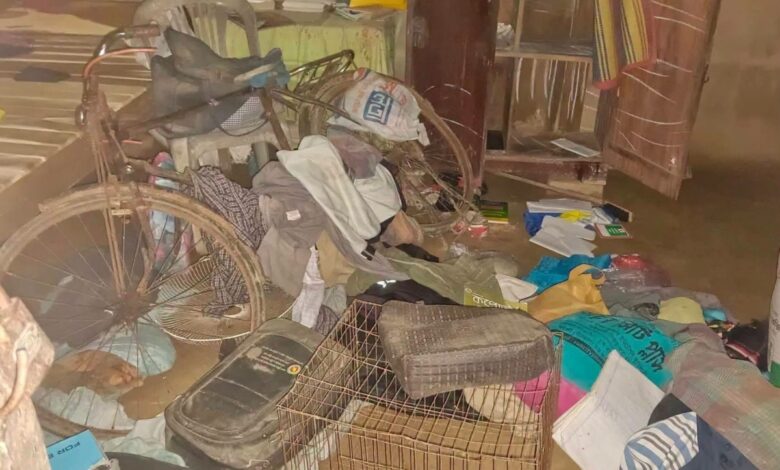
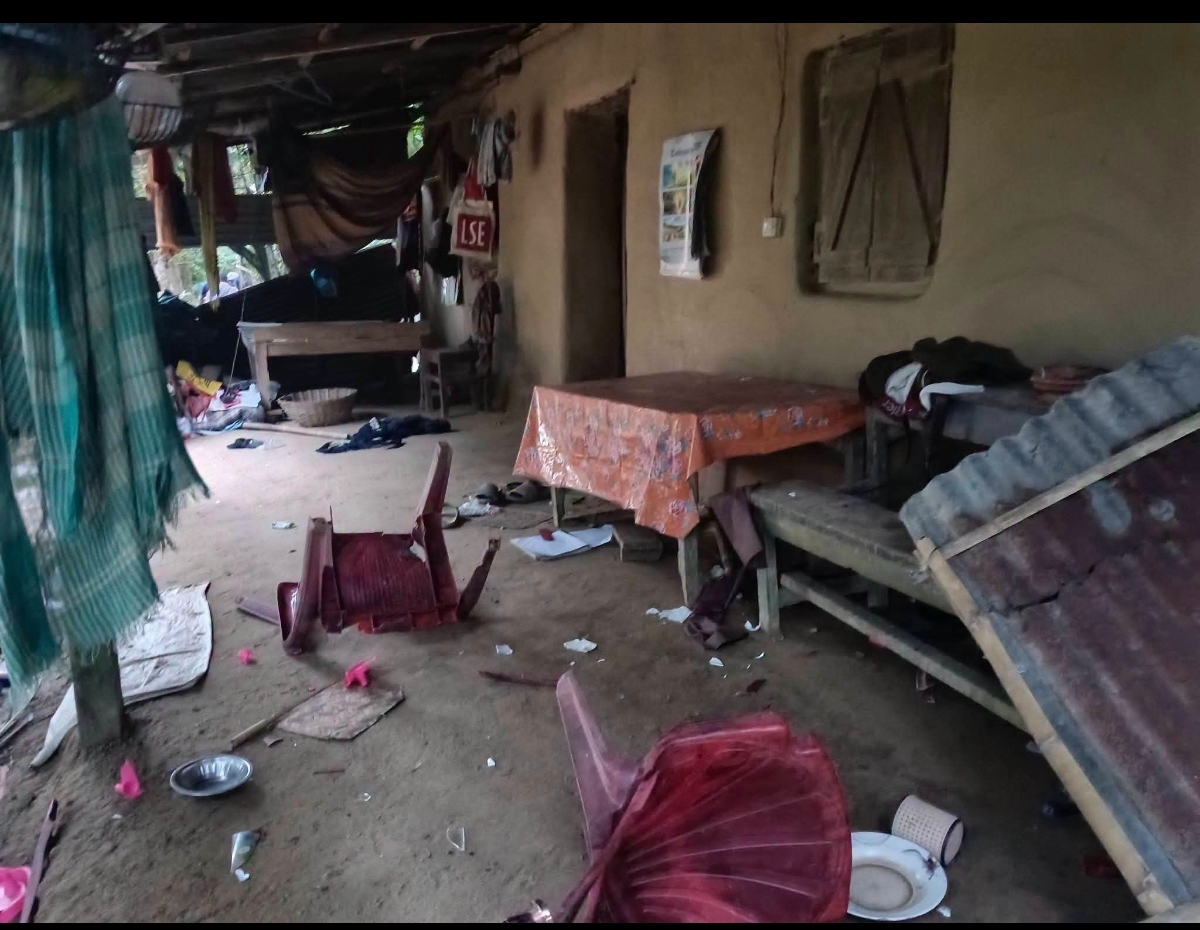
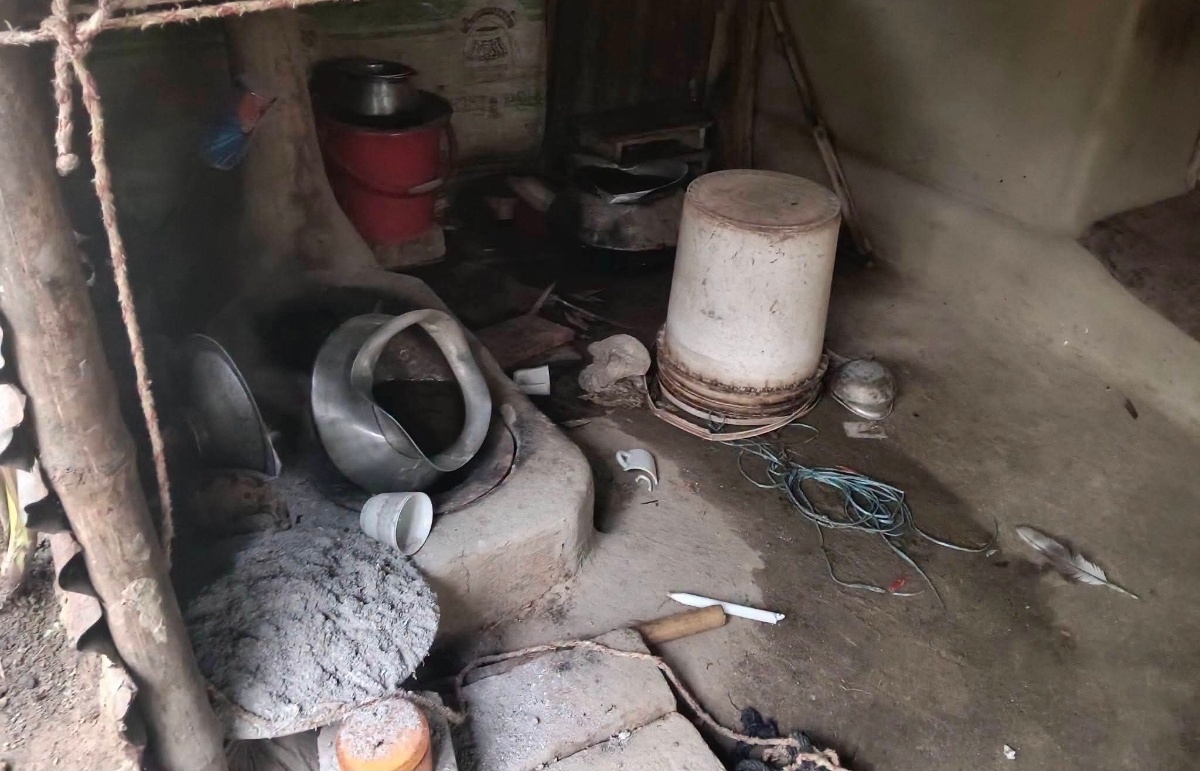
Assaults of villagers, vandalism and looting followed the incident at Purba Gajrikura (Bandhadhara) village.
In a statement, local residents alleged that the members of the indigenous Garo community were subjected to indiscriminate attacks based on suspicion, before investigation and fixing responsibility.
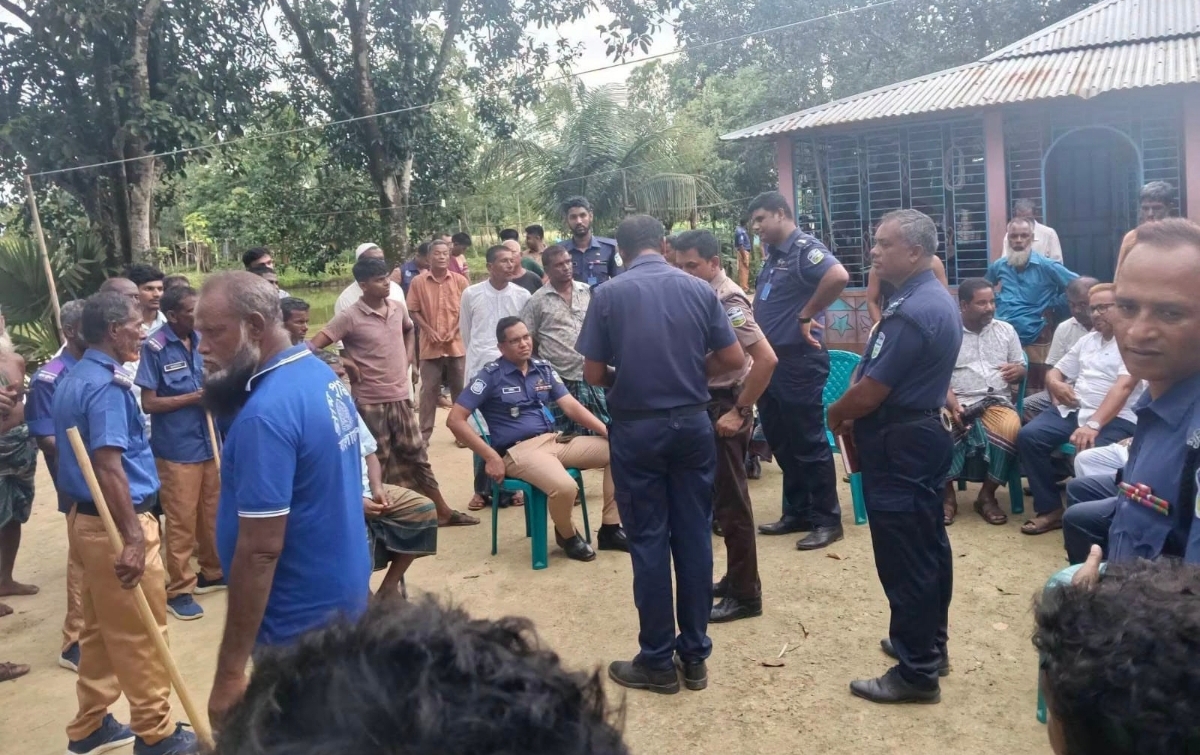
The body of the 40-year-old rice trader Billal Hossain was recovered from beside a canal in the Purba Gajrikura area of Nal Kura Union, Jhenaigati Upazila, Sherpur District.
Reports say that Billal had been missing for several days before police recovered his body, which was found buried on August 12.
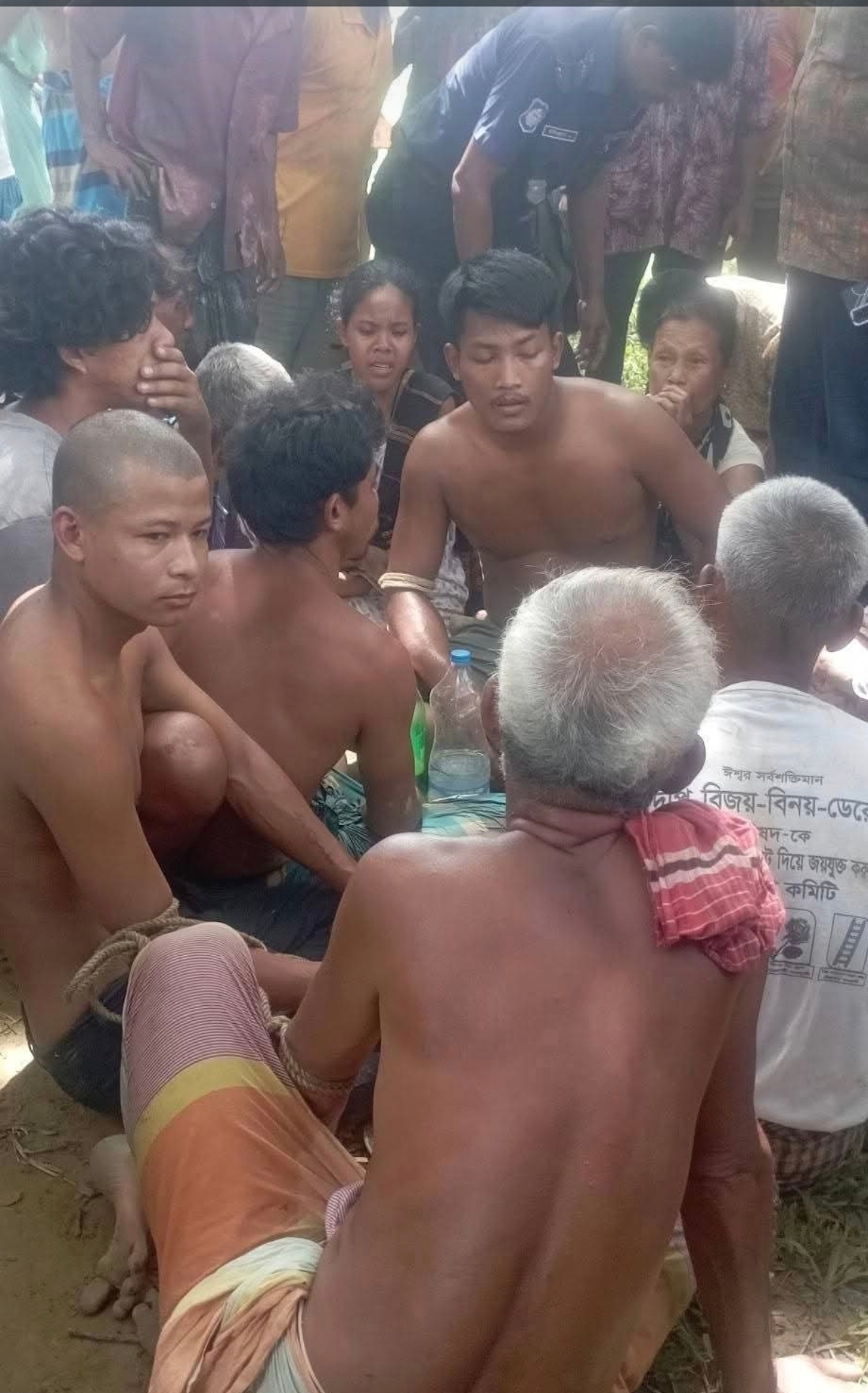
According to reports, police detained 19 suspects , including men and women from the Garo community, into custody for questioning.
The residents alleged that people from the Garo community were prevented from communicating freely as their phones were taken away, or damaged when the villagers were seen communicating.
Allegations have also come to the fore that several men were beaten up, tied up, and taken away which forced many villagers to flee the area and they are in search of shelter.
Reports said that Bandhadhara has been isolated and the people from other Indigenous communities in neighbouring villages were prevented from entering the area.
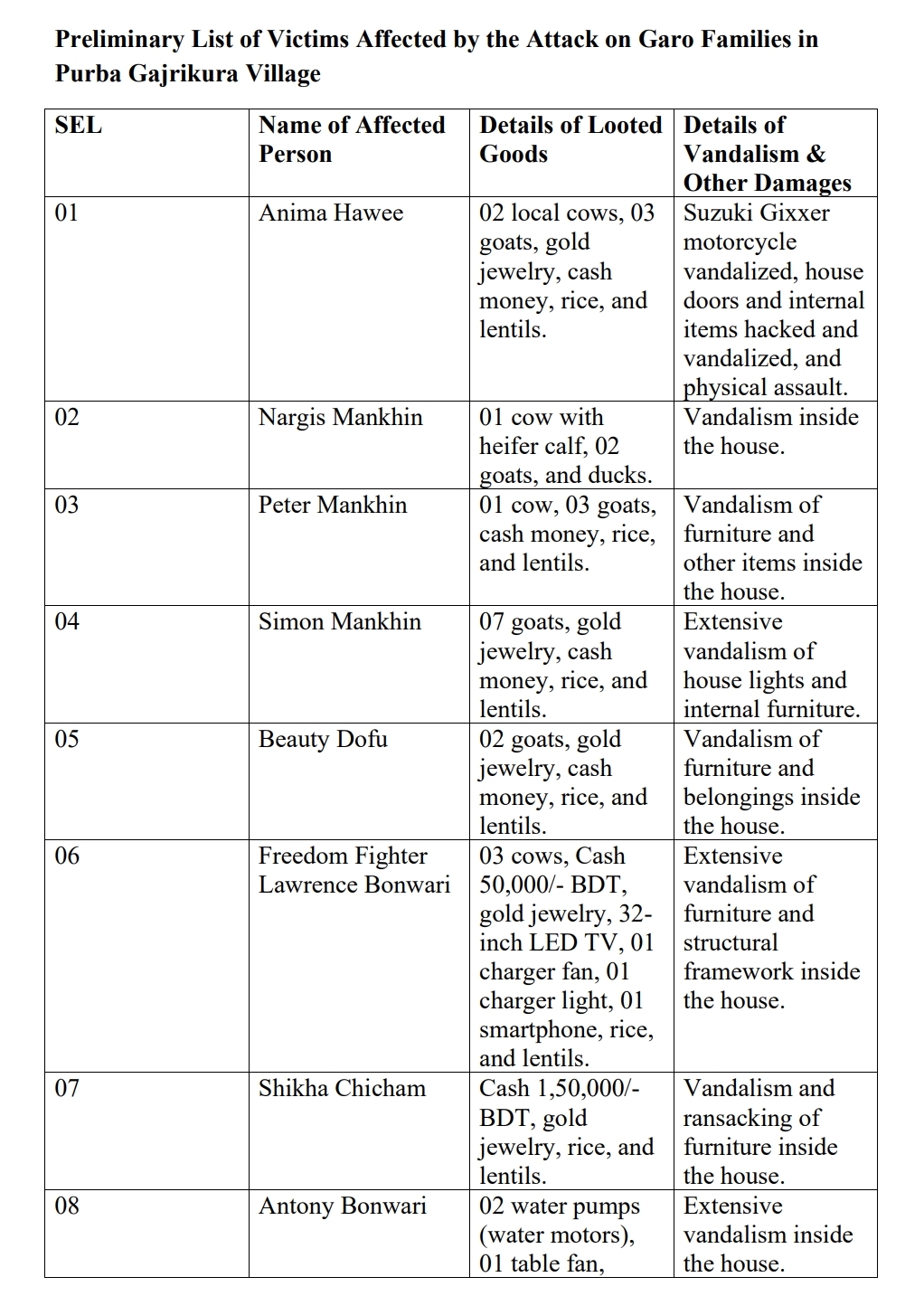
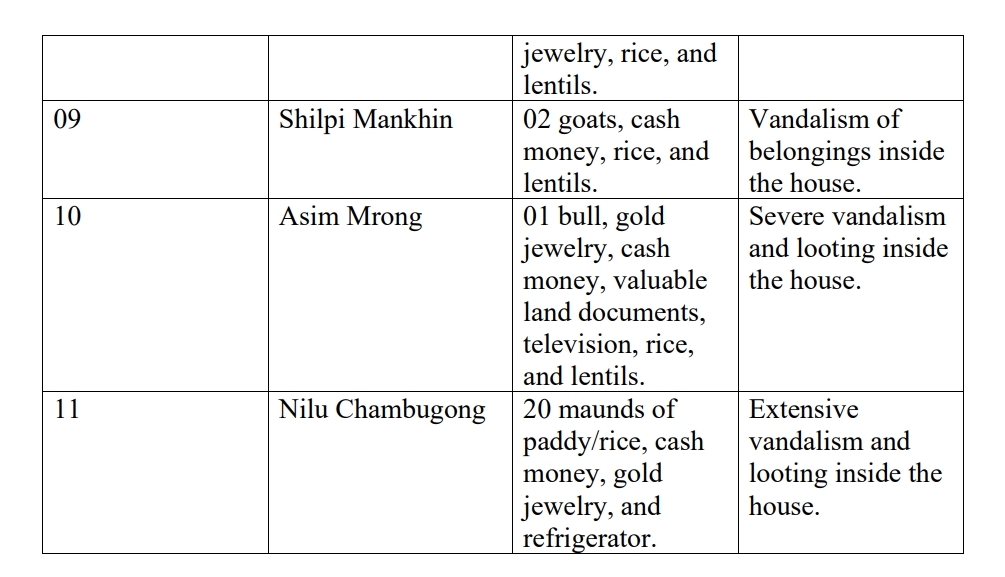
According to Salseng Mri, a resident of neighbouring Mariamnagar village, at least six houses in the Mariamnagar Parish area of Purba Gajrikura were vandalised and looted. He also alleged that furniture in one house was set on fire and claimed that the attackers took four cows, several goats, and a motorcycle from the affected households.
Questions have been raised over targeting Garo community in Purba Gajrikura based solely on suspicion.
Indigenous writer and activist Unnayan D. Shira said that there is a need to determine the cause of Billal Hossain’s death. Identifying those responsible for his death is a matter of proper investigation.
He questioned the legitimacy of perpetrating violence and attacking an entire ethnic community, including looting and vandalising their homes.
“If an individual is suspected of committing a crime, the responsibility must be established through a proper investigation, Action can be taken against an individual in accordance with the law if there is evidence against them. But when an entire community is attacked because of allegations against one or several individuals, it undermines the normal process of justice and effectively encourages collective punishment”, he said.
The allegations of violence, vandalism, looting, forced displacement, and restrictions on movement and communication therefore warrant an impartial and comprehensive investigation. Any criminal responsibility should be determined on the basis of evidence and due process, rather than collective suspicion against an Indigenous community., he added.
Preliminary report prepared by villagers