

 Imagine arriving at Jorabat, just a few kilometres away from Shillong, only to find you’re stuck because the taxi you booked is registered in Assam, and Meghalaya won’t allow it beyond certain drop points. Some of you probably already experienced such a harrowing time in the past week.
Tourist taxi operators in Meghalaya began an indefinite strike last week, demanding that Assam-registered vehicles be prohibited from transporting visitors to tourism sites in Meghalaya. However, the All Khasi Meghalaya Tourist Taxi Association, which was spearheading the protest, made it clear that the protest was against the Meghalaya government and not the Assam drivers.
The association wanted the state government to lay down a policy that would prohibit Assam-registered vehicles from entering Meghalaya’s tourist circuits. The policy would also mandate that these vehicles should drop tourists at designated hubs like Shillong.
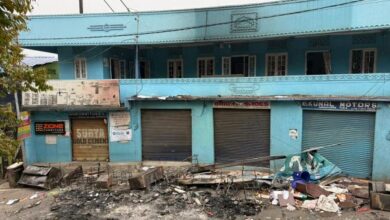
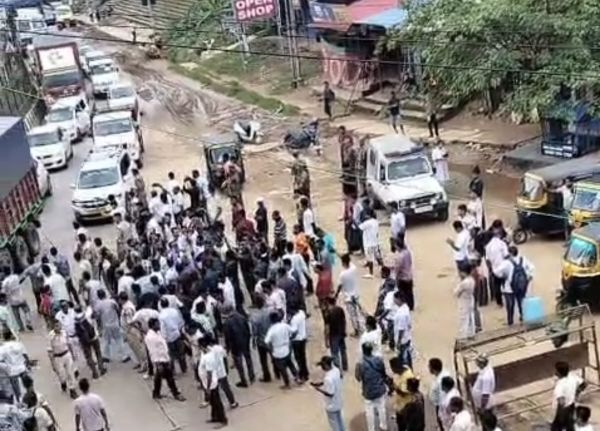
This became a trigger point for an interstate transportation conflict. The taxi operators from Assam launched counter-protests and blocked vehicles with Meghalaya registration numbers at the Jorabat border. Even VIPs were not spared. MLA Rakkam Sangma had to face the ire of the Assam protesters, and he could cross the border only with the help of the police.
In this fiasco, hundreds of tourists suffered. Those heading for Shillong were stranded for hours. As the situation worsened, the Tour Operators’ Association of Meghalaya asked the tourist taxi drivers in Khasi Hills to call off the strike, which they finally did.
Was the strike by the Meghalaya tourist taxi drivers justified? Yes, it is when it comes to their livelihood. Most of the tourists to Shillong come through Guwahati airport or railway station, and it makes sense for them to hire a vehicle from Assam for their stay in Shillong. In the process, the tourist taxi operators in Shillong and its vicinity are the losers.
In this scenario, the demand for not allowing outside vehicles within the tourism circuit of the state is definitely justified.
But what about the multi-state tourist permit that many Assam vehicles have? Doesn’t restricting the movement of such vehicles violate the permit and hurt interstate connectivity?
It does, and in the long run, it will hurt tourism in the state. Taxi strikes, like the one that happened last week, affect tourism directly and give Meghalaya a bad name. These strikes lead to economic loss. As the tourist footfall reduces, hotels, restaurants, guides — everyone is affected.
Then, what should be done to maintain a balance?
The first thing that the two states need to do is to set a clear legal framework by defining exactly what types of permits allow full access, which areas are considered “tourist circuits,” and what restrictions are reasonable.
Once that is set, the Meghalaya government has to work closely with the neighbouring state to designate drop points and shared permits. In doing so, it should be kept in mind that tourists should not be affected at any cost. Neither should they incur extra costs nor should they be harassed. So, the government should fix the rates for local taxis, leaving no room for them to arm-twist travellers.
These steps must be taken quickly because the wait for the affected parties has been really long. The Meghalaya government should prioritise solving this issue. Once solved, there should be a monitoring body to check ill practices. There must be both Assam and Meghalaya helplines for tourists to register grievances. And these grievances must be addressed in a time-bound manner. Without accountability, transparency and alacrity, this entire network of transportation will be difficult to manage, and this will lead to tourist dissatisfaction and ultimately loss for Meghalaya.
The taxi protest between Assam and Meghalaya is more than just a local quarrel over routes—it raises the question of how to balance economic justice for local workers with the need for integrated connectivity in the region. Talking about connectivity, the Meghalaya government should also take steps to regularise flights at the Shillong airport so that a major footfall of tourists can be diverted directly to the state. That it was not done for so long shows that the government has been really short-sighted so far.
To solve the issue, we need cooperation, not confrontation. What matters most is that the traveller should travel, the local driver should earn, and the policies should be just.