

A vulnerable existence and the conquest of happiness
Two films screened at the just-concluded Shillong film fest explore life and living in their own unique ways

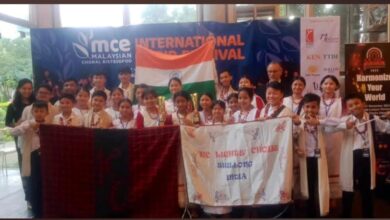
The First Edition of the Shillong International Film Festival concluded last week. Two films, one by an Assamese short filmmaker and the other by a Bhutan-based director, stood out on Day 2 of the festival.
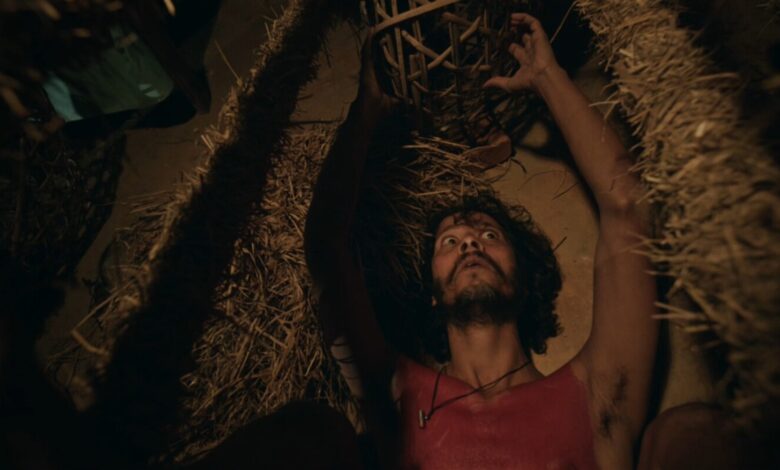
The first film, Kok Kok Kokoook, is a short film that uses magic realism to tell the story of a man and his relation with a machine. It is a story of loneliness, the politics of existence and the struggle for survival.
The second film, Agent of Happiness, is a documentary about the Gross National Happiness Index survey in Bhutan. Made over five years, the stories of the people featured on screen question the method of quantifying happiness when grave issues remain unnoticed.
While the festival featured several critically acclaimed and award-winning films, including Shape of Momo and Ha Lyngkha Bneng, the above two films stood out for their unique storytelling.
Kok Kok Kokoook (directed by Maharshi Tuhin Kashyap)
Nur Ali lives in a wobbly shack away from the bustle of the city. A chicken seller by profession, Nur’s companions are his pet chicken Bipasha, a name given by his distant neighbour, and his red Yamaha RX100 bike. To acquaintances, he is known as ‘Siken’ (chicken), a moniker that is the result of his profession.
Nur’s gullibility allows many to take his advantage. His so-called friends often take his bike for a ride, leaving Nur anxious. But he barely utters a word, until one day he finds out that his bike met with an accident. He apologises to the machine for not being there on that fateful evening, and refuses to allow anyone to ride the two-wheeler.
Everything changes after the accident. Nur’s trepidation turns into cynicism and he is pushed to the edge every time he sees policemen inquiring about an accident involving an RX100 bike. Meanwhile, Abebe, who has lost the love of her life while fleeing the civil war in her country Sudan, wants a child with Siken to define the meaning of her existence.
Nur, whose life was swept away by the fearfully magnificent Brahmaputra, and Abebe connect in the void. However, Nur finds his life entwined with the machine, his companion. Like Bimal in Ritwik Ghatak’s Ajantrik, Nur finds a friend in an inanimate vehicle. But unlike Bimal, he transmigrates into the machine, and none other than Abebe recognises him.
More than the political statement, the film delicately portrays the human emotions. Through magic realism, Kashyap shows how vulnerable both Nur and Abebe are to their loneliness and the uncertainties of a world where they do not belong.
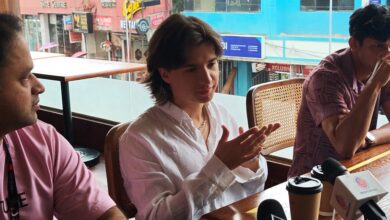
“Magic realism comes naturally to me,” Kashyap told Meghalaya Monitor during an interview at the festival venue.
Agent of Happiness (directed by Arun Bhattarai and Dorottya Zurbo)
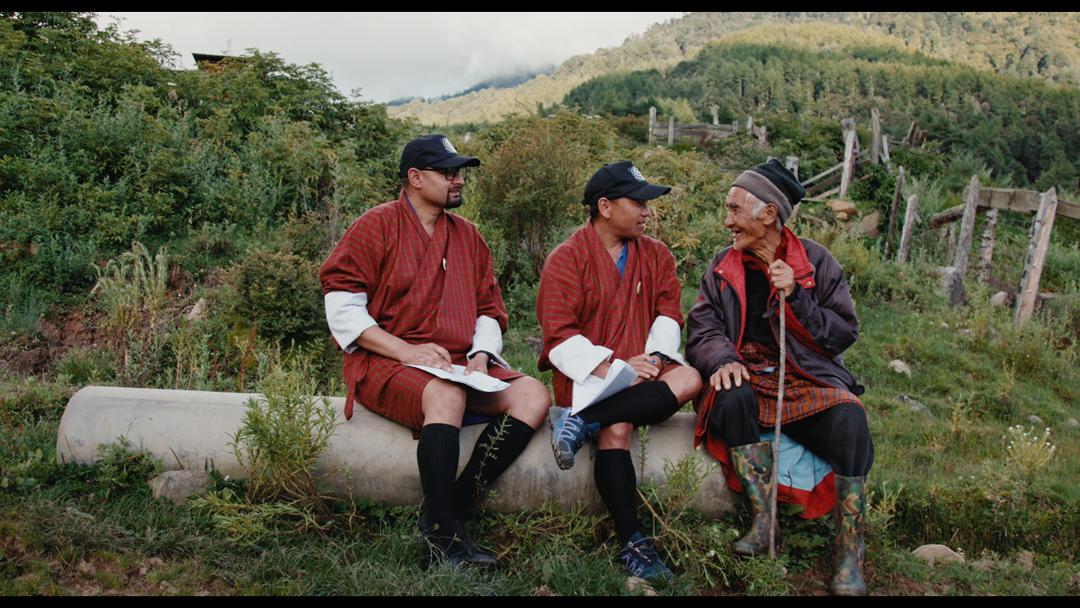
Set in Bhutan, this documentary records the surveys of two government agents, Amber Gurung and Gunaraj Kuikel, who are collecting data for the country’s Gross National Happiness Index. The story, however, closely follows the life of Amber, a man in his thirties who lives with his mother and hopes to get his citizenship and a loving wife.
In the process of the survey, the film explores the stories of people and how they define happiness. As the happiness parameters change from rural to urban Bhutan, the stories get grimmer and more complex. A hoarding showing the king with his ‘happy’ family seems to taunt the lives of the ‘subjects’.
The film highlights two important issues — citizenship and LGBTQ+ rights. “The citizenship issue is especially a taboo and people do not talk about it in the public. So, you see Amber sharing his anxiety with his mom and his best friend and no one else. This is the first film in the country that talks about it,” director Bhattarai told the audience during an interaction after the screening if the film.
The documentary also raises the question about the veracity of putting a numerical tag on happiness. Is it possible to measure happiness through a few parameters? When happiness wears out in the struggle for survival, does hope count as a prelude to rekindle the spark in life? Probably.
The stories are weaved in a way that it turns the documentary into an endearing narration, complemented by the beautiful shots of Bhutan. Amber finds love, and loses it too. Nonetheless, he holds on to hope. “Amber at least got his citizenship after the movie was screened in the country,” Bhattarai informed a curious audience at the festival.
– Team Meghalaya Monitor