

Research shows climate shifts, seismic vulnerability in Kohima
The study addresses concerns about environmental degradation in Himalayan and NE hills caused by natural processes and human activities

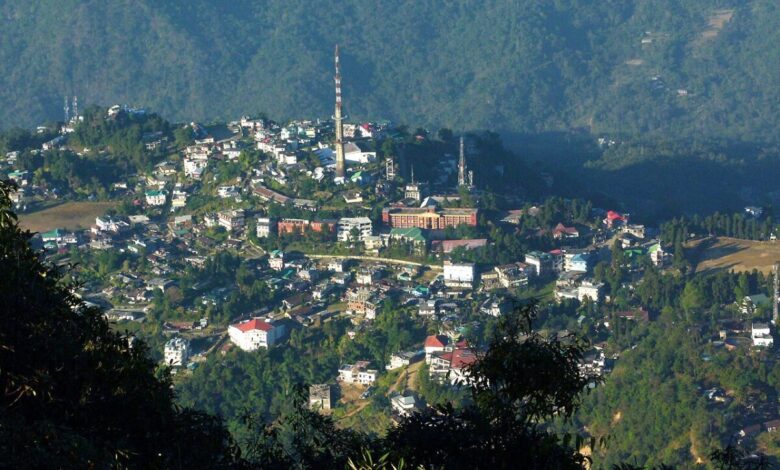
Kohima, Apr 1 (NNN): A Nagaland University-led study using GIS to map environmental degradation in Kohima Comprehensive geospatial analysis revealed rapid land-use change, climate shifts and seismic vulnerability, offering critical insights for sustainable development and environmental management in the North East hill region.
Researchers from Nagaland University and PNG Government PG College Ramnagar, Nainital, had used advanced Geographic Information System (GIS) modelling and remote sensing techniques to investigate environmental change and degradation in Kohima district, providing important scientific insights into the fragile geo-ecological conditions of India’s North East Hill (NEH) region, an official report said on Wednesday.
The researchers hope the findings will contribute to improved environmental monitoring, climate resilience planning and sustainable development in the North East Hill region and the broader Indian Himalayan landscape.
The research addressed growing concerns about environmental degradation in the Himalayan and North East Hill regions caused by both natural processes and human activities. These include rapid urbanisation, deforestation, shifting cultivation practices and climate change, which together contribute to increasing risks such as landslides, floods, droughts and extreme weather events, the report also said.
Highlighting the university’s continued commitment to study issues of great importance to the North East region, Prof. Jagadish K. Patnaik, Vice-Chancellor, Nagaland University, said, “Nagaland University has undertaken a significant research initiative using Geographic Information System (GIS) technology to map environmental degradation in Kohima. The study presents a comprehensive geospatial analysis highlighting rapid land-use changes, emerging climate trends, and seismic vulnerability in the region. These findings provide valuable insights for policymakers, planners, and stakeholders, contributing to informed decision-making for sustainable development and effective environmental management in the North East Hill Region.”
The findings were published during December 2023 in Environmental Monitoring and Assessment (https://doi.org/10.1007/s10661-023-12055-2), a peer-reviewed journal that publishes research on monitoring, assessment, and management of environmental quality, brought out by the prestigious Springer Nature, the official report added.
The paper is co-authored by Dr. Khrieketouno Belho and Prof. M. S. Rawat from the Department of Geography, School of Sciences, Nagaland University, along with Dr. Pradeep Kumar Rawat from the Uttarakhand Open University Study Centre. The research was supported by Nagaland University through a Non-NET Fellowship awarded to Dr. Khrieketouno Belho and by the Ministry of Tribal Affairs.