


The heart never runs out of storage
Human heart has possessed its own gallery, one that never needs charging, updating or backing up

 Every smartphone carries a strange kind of sadness. It is not the anxiety of a dying battery or a warning about low storage space. It is the quiet weight of thousands of photographs that remain untouched for years.
Hidden between screenshots of electricity bills, forgotten PDF files, downloaded memes and hurried selfies are images that silently preserve pieces of our lives. There are faces of people who no longer call, smiles from relationships that have changed, sunsets that once healed a tired mind, and family dinners where everyone was younger and happier. Without realising it, our phones have become museums of unfinished emotions.
We take photographs believing they will help us remember. Yet the camera only captures what is visible, while the heart remembers everything that cannot be seen.
A picture may preserve a face, but it can never hold the warmth of a hand, the silence after shared laughter, the smell of rain on a memorable evening or the heaviness of an unexpected goodbye. The heart stores feelings that no lens can record, and that is why old photographs often hurt more than they comfort.
A single image can reveal how much life has changed. A child sitting happily on a father’s shoulders is now an adult buried in office deadlines and endless emails. Friends who once spent every waking hour together now exchange nothing more than birthday wishes and emojis on social media. People who once filled an entire camera roll slowly disappear into archived folders and forgotten albums. Life quietly moves from eagerly tapping “Save Image” to casually pressing “Delete.”
Yet very few of us delete photographs that truly matter. We are emotional collectors. We keep old pictures the way temples preserve whispered prayers. Even when relationships end or people leave our lives forever, their memories continue to occupy a permanent place within us. They stay without asking permission, paying silent rent inside our hearts.
Sometimes, late at night, we scroll through our gallery without purpose and suddenly stumble upon a forgotten photograph. In that instant, time collapses. We are no longer in the present but back in an old café sharing tea, standing on a crowded railway platform, laughing in a classroom, celebrating in a wedding hall, waiting anxiously in a hospital corridor or driving down a rain-soaked highway. Places and moments that once seemed ordinary become priceless only because they can never be lived again.
Perhaps this is why we keep taking pictures. Deep inside, we are all afraid of forgetting. We know life cannot be paused, yet we keep trying to freeze it one frame at a time. But the truth is that our most precious memories were never meant to live inside a phone or float somewhere in a digital cloud. They survive in quieter places—in the rhythm of our breathing, in a familiar song, in the fragrance of wet earth, in festival lights, in the sound of a passing train or in a date on the calendar that unexpectedly stirs the soul.
The human heart has always possessed its own gallery, one that never needs charging, updating or backing up. It stores love, loss, joy and longing with remarkable honesty. Photographs may preserve what our eyes once saw, but only the heart preserves what our lives truly felt.
Perhaps that is the greatest lesson of all. Every beautiful moment deserves to be lived completely before it is captured. For in the end, life is remembered not by the number of pictures we save, but by the moments that quietly become a part of who we are—even after we learn to let them go.
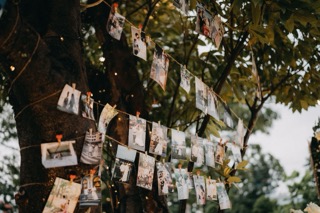
Banner image by Pew Nguyen: https://www.pexels.com/photo/pictures-hanging-on-strings-attached-to-trees-in-a-garden-15928649/