



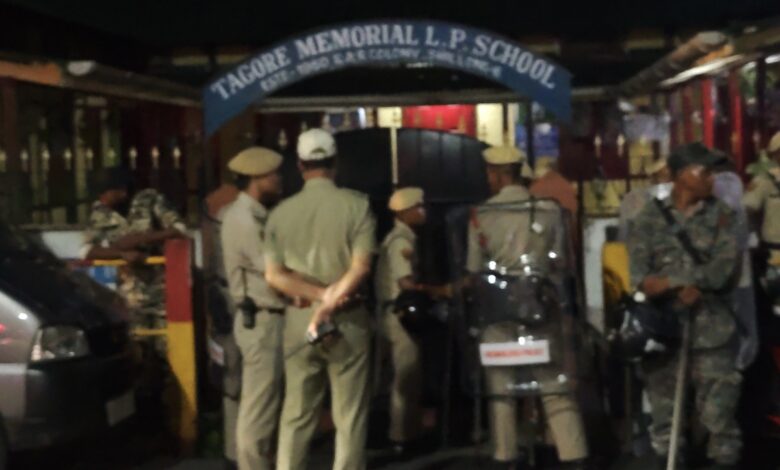
 On August 19, members of the Khasi Students’ Union took out a bike rally for various demands. However, the protest turned violent as several members of the pressure group targeted Assam vehicles and engaged in vandalism in a colony that has a substantial chunk of non-tribal residents.
Such communal violence is not new in Shillong, which has a chequered history of insider-outsider conflict. But what played out on August 19 was mindless and is not just testimony to the KSU’s frivolous acts but also weak governance and law and order system in the state.
It is surprising how a protest over five demands becomes a debate over violence, vandalism and law and order. More importantly, the incident makes one wonder whether KSU itself lost sight of the demands it had come out to fight for.
The government had maintained that it was willing to engage with the issues.
Then why was the situation allowed to reach this point?
And where was the administration when the situation was escalating?
What about the police?
First let us talk about the KSU and its history of vandalism. While its communal hatred towards Bengalis, Assamese and now Bangladeshis is well-known and well-established, violence has become a common occurrence during KSU events. The modus operandi is the same — cover your face and then target the poor non-tribals and daily wage earners. This only shows that the group, or a section of its members is disillusioned and has no clear understanding of the core demands of the group. Videos of the August 19 incident show the madness and frustration that prevailed and overshadowed real issues.
Now, in this context, let’s talk about the administration and police.
While the vandalism continued on August 19, the common people were left helpless. Vehicles were torched, inconveniencing travellers. Hours after the incident, no administrative or police action was seen. Not only that, there was no statement from the Meghalaya government and CM Conrad Sangma chose not to condemn the incident. In fact, there has not been a clear condemnation of the incident. In fact, the known intellectuals in the state have, like always, remained silent even as there was desecration of statues of Netaji Subhas Chandra Bose and Swami Vivekananda, who were beyond caste, creed and community.
Not only that, the chief minister has fallen back on his Assam counterpart to resolve the law and order issue. This only shows the state government’s incapability of resolving the internal crisis or to be tough against hooliganism.
Adding to this is the police failure. There had been so many such instances in the past years, but the police have failed to bring any case to a closure. They have failed to ensure safety of other communities in the state.
In this case, the police arrested three top KSU leaders but the investigation is yet to find out the real culprits. The arrests also came hours after the vandalism.
Accountability cannot mean simply arresting a few people after the streets turn violent. Accountability also means asking whether the government anticipated the crisis, whether the police were prepared and whether political dialogue was exhausted before confrontation became inevitable.
So what exactly are we debating?
This should not become a simple KSU versus government argument. The social fabric of the state and the security of minor communities must also be discussed. We should also discuss how the government is acting to ensure the safety of these communities.
If the government fails to tackle such vandalism and leash such elements in time, then there is always a chance that Shillong will spiral back to its dark days of the eighties and the nineties. The corrective action must be timely, targeted and logical, or else, it will fail to yield results and ensure law and order.
WATCH MORE VIDEOS