

 A Rs 151-crore ropeway project can be a promising proposal in the tourism sector. It can also offer the hope of employment and reduction in traffic congestion. And yet, it can start a standoff over public consultation. Why?
In Shillong, the proposed Shillong Peak Ropeway has become the centre of a debate over development, environmental protection and the rights of local communities. The government says the project could transform access to one of the state’s most popular tourist destinations. But opponents are asking a different question: Were the people consulted before the project moved forward?
Here’s a closer look at why the ropeway debate is far from over.
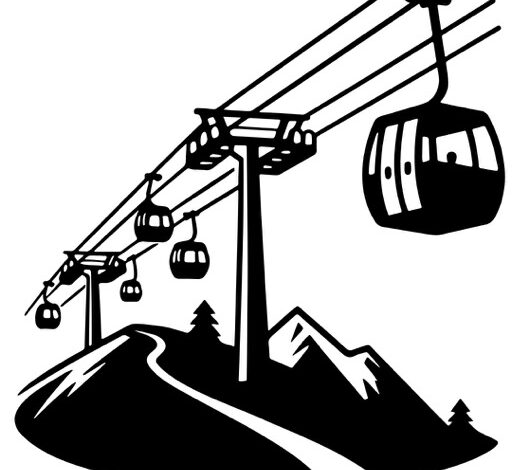
At the heart of the proposal is a 913-metre ropeway, estimated to cost ₹151 crore, with 11 passenger cabins and two additional cabins. The project is targeted for completion by October 2028.
The government says the ropeway will ease pressure on the existing road to Shillong Peak, reduce vehicular movement and open up new opportunities for tourism-related businesses.
Officials have also sought to address environmental concerns, maintaining that the proposed alignment avoids the Umiew catchment and Mawphlang Dam area. Tree cutting, according to the government, will be restricted to the tower locations and terminal stations.
More than 450 direct and indirect employment opportunities are also projected.
On paper, the pitch is clear: better access, more tourists and new livelihoods. But the resistance to the project suggests that infrastructure benefits alone may not settle the debate.
The latest flashpoint came on October 22, when members of the Joint Action Committee, or JAC, walked out of a meeting called to discuss the ropeway project.
Their objection centred on the alleged absence of a public hearing in 2022. The JAC members questioned the role of the Dorbar Shnong. They also accused the local representatives of misleading the public and lying to them.
The walkout came despite officials presenting clarifications on the project and its safeguards.
But here is the critical distinction: a meeting with community representatives is not necessarily the same as a formal public hearing. Whether a statutory hearing was required, held or officially notified needs to be verified through the relevant records.
And that is where transparency becomes crucial. Who was consulted? What concerns were raised? And how were those concerns reflected in the final project plans?
The opposition also extends beyond the consultation process. Concerns have been raised over tree felling, water security, environmental impact and the sacred significance of Lum Shyllong.
The government maintains that environmental safeguards have been considered and that the ropeway could reduce traffic and emissions around Shillong Peak.
But for residents and opponents, the question is whether those assurances adequately address the potential impact on the surrounding landscape and community.
The distance between the proposed alignment and a sacred site, or the identification of a catchment area on a project map, cannot by itself resolve every concern. The underlying assessments, proposed mitigation measures and consultation records matter.
At the same time, the project’s potential benefits and the concerns raised by opponents need to be examined on the basis of evidence, rather than assumptions on either side.
So, is the Shillong Peak Ropeway a tourism opportunity held back by resistance, or a development project that still needs to answer questions about public participation?
For now, the disagreement remains unresolved.
The government has laid out its case for improved access and economic opportunities. The JAC has made it clear that questions over consultation and environmental protection remain.
Ultimately, the future of the ropeway may depend not just on engineering plans or projected tourist numbers, but on whether the government can provide transparent answers and build public confidence.
Because when development changes a community’s landscape, the conversation about that development matters just as much as the project itself.
WATCH MORE VIDEOS