

The crucial role of character in politics
Politics is a powerful tool for creating positive change, but it's up to us to ensure that it's used responsibly

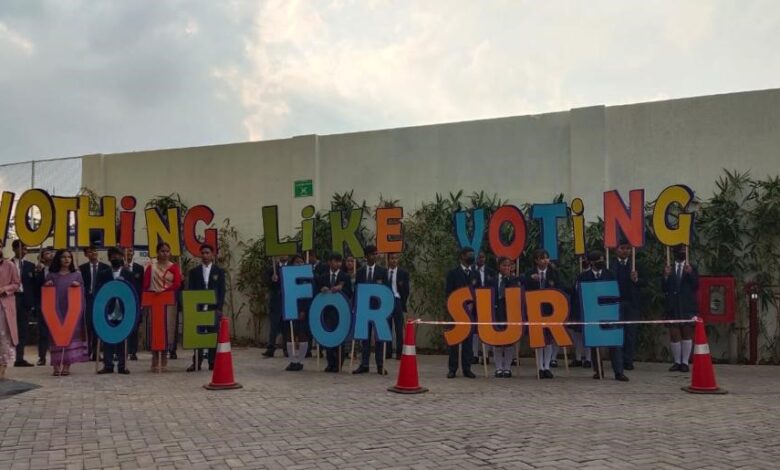
 When it comes to shaping the direction of a society, individual character plays a pivotal role. Leaders with good character are more likely to prioritise the welfare of the public, make ethical decisions and promote policies that benefit the greater good. This, in turn, can lead to sustainable development, improved public safety, and a stronger sense of community. On the other hand, when individuals with questionable character hold power, they may prioritise their own interests over the needs of the public. This can lead to corruption, inequality and a breakdown in trust between citizens and their leaders, with far-reaching consequences that affect not just the present but also future generations.
Therefore, it is essential to promote good governance, transparency, and ethical leadership in politics. Citizens must be vigilant in holding their leaders accountable and ensuring that they are working towards the betterment of society. By doing so, we can build a more just, equitable, and prosperous society for all.
The Role of Misinformation in Politics
Misinformation has become a pervasive force in modern politics, with the potential to shape public opinion, sway elections and undermine trust in institutions. Politicians, special interest groups and other stakeholders often spread misinformation to further their agendas, whether it’s to discredit opponents, create confusion, or manipulate public sentiment. This can take many forms, including false claims, misleading statistics, and doctored images or videos. The impact of misinformation can be significant, as it can create a distorted view of reality and influence people’s perceptions and decisions. When politicians spread misinformation, it can be particularly damaging, as they often have a large platform and are perceived as credible sources.
The spread of misinformation can also have long-term consequences, eroding trust in institutions and undermining the ability of citizens to make informed decisions. The role of social media in spreading misinformation cannot be overstated. Platforms like Facebook, Twitter and WhatsApp have made it easier for false information to spread quickly and reach a large audience. This can create a snowball effect, where misinformation takes on a life of its own and becomes difficult to correct. Furthermore, the algorithms used by social media platforms often prioritise sensational or provocative content, which can further amplify misinformation.
To combat the spread of misinformation, it’s essential to promote media literacy, fact-checking and critical thinking. By being aware of the potential for misinformation and taking steps to verify information, citizens can make more informed decisions and hold politicians accountable for their words and actions.
Tactics Politicians Use to Shape Public Opinion
Politicians have long used spin to shape public opinion and influence the narrative around key issues. Spin involves presenting information in a way that creates a particular impression or interpretation, often by selectively presenting facts, using emotive language, or framing issues in a certain way. By using spin, politicians can create a narrative that supports their agenda, distracts from criticism, or shifts the focus away from key issues.
One of the key ways politicians use spin is by framing issues in a way that resonates with their target audience. By using specific language or imagery, politicians can create an emotional connection with voters and shape their perceptions of an issue. For example, a politician might use patriotic language to frame a policy as a defence of national security, even if the policy has little to do with national security in reality.
Politicians also use spin to deflect criticism or controversy. By acknowledging a problem but downplaying its significance or shifting the blame to others, politicians can create the impression that they are taking action while avoiding accountability. This can be particularly effective in the short term, as it can create a narrative that the issue is being addressed, even if meaningful action is not being taken.
The use of spin by politicians can have significant consequences, including eroding trust in government and institutions. When politicians are caught spinning the truth, it can damage their credibility and create skepticism among voters. Furthermore, the constant bombardment of spin can make it difficult for citizens to discern fact from fiction, leading to a misinformed public.
To combat the use of spin, it’s essential for citizens to be critical thinkers and to seek out multiple sources of information. By being aware of the potential for spin and taking steps to verify information, citizens can make more informed decisions and hold politicians accountable for their words and actions.
Politicians may also use emotional appeals to mislead the public. By appealing to people’s emotions, such as fear, anger, or nostalgia, politicians can create a visceral response that is not necessarily based on facts. This can be particularly effective in creating a sense of urgency or crisis, which can be used to justify policies or actions that might not otherwise be acceptable.
Furthermore, politicians may use repetition to mislead the public. By repeating a claim or slogan multiple times, politicians can create the illusion that it is true, even if it is not supported by evidence. This can be particularly effective in the age of social media, where information can spread quickly and be repeated without fact-checking.
To combat these tactics, it’s essential to be aware of them and to critically evaluate the information presented by politicians. By fact-checking, analysing evidence, and considering multiple perspectives, citizens can make more informed decisions and hold politicians accountable for their words and actions.
The Impact of Fake News on Democracy
Fake news has become a significant threat to democracy, as it can spread misinformation, manipulate public opinion, and undermine trust in institutions. The proliferation of fake news can have serious consequences, including influencing election outcomes, polarising communities, and eroding faith in the media.
One of the primary ways fake news impacts democracy is by creating a distorted view of reality. When false information is presented as fact, it can shape public opinion and influence decision-making. This can lead to policies being implemented that are not based on evidence or facts, but rather on misinformation and disinformation.
Fake news can also exacerbate existing divisions and create social unrest. By spreading false information and conspiracy theories, fake news can create an “us versus them” mentality, leading to increased polarisation and conflict. This can be particularly damaging in societies where tensions are already high, as it can create an environment in which violence and extremism can thrive.
Furthermore, the spread of fake news can undermine trust in institutions, including the media, government and other organisations. When people are exposed to false information, they may become skeptical of all information, including accurate and trustworthy sources. This can create a situation in which people are more likely to believe conspiracy theories and misinformation, rather than evidence-based information.
To combat the impact of fake news on democracy, it’s essential to promote media literacy, fact-checking, and critical thinking. By being aware of the potential for fake news and taking steps to verify information, citizens can make more informed decisions and hold those in power accountable for their words and actions.
The Importance of Fact-Checking in Politics
Fact-checking is a crucial component of informed decision-making in politics. With the proliferation of misinformation and disinformation, fact-checking has become more important than ever. By verifying the accuracy of claims and statements made by politicians, fact-checking can help to prevent the spread of misinformation and ensure that citizens are well-informed.
One of the primary benefits of fact-checking is that it helps to hold politicians accountable for their words and actions. When politicians make claims that are fact-checked and found to be false or misleading, it can damage their credibility and reputation. This can help to prevent politicians from spreading misinformation and promote a more honest and transparent political discourse.
Fact-checking also helps to inform citizens about the issues that matter most to them. By providing accurate and reliable information, fact-checking can help citizens to make informed decisions about the policies and politicians that they support. This can lead to a more engaged and participatory democracy, where citizens are empowered to hold their elected to office accountable.
Furthermore, fact-checking can help to reduce the spread of misinformation on social media and other platforms. When false information is spread online, it can quickly go viral and be seen by millions of people. Fact-checking can help to identify and correct false information, reducing its spread and impact.
In the end, it’s clear that politics is a powerful tool for creating positive change, but it’s up to us to ensure that it’s used responsibly.