
When Home Is Far Away
Why Meghalaya should help build a shared support system for northeastern citizens in Bengaluru


D. Jeevan Kumar
For a young person leaving Meghalaya to study or work in Bengaluru, the journey carries the promise of greater opportunity. For the family remaining at home, it can also bring questions that have no reassuring answers. Who will help if their daughter faces harassment? Where can their son turn if an employer withholds his wages? Who will stand beside a student struggling to explain a frightening experience to unfamiliar authorities?
These questions deserve a place in public policy. Governments invest in education and skills that enable young people to pursue opportunities beyond their home states. They should also help ensure that those journeys are supported by dependable arrangements for assistance.
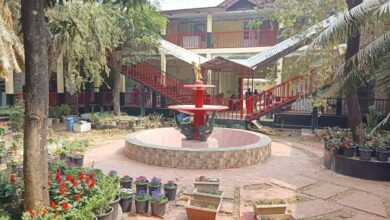
The recent inauguration of Assam Bhavan in Bengaluru provides an occasion to consider such an approach. Facilities offering accommodation and guidance can ease the difficulties of travelling for education, employment or medical treatment. Meghalaya and the other North-Eastern states could build on this initiative by exploring a shared North-East Bhavan, with services extending beyond temporary lodging.
The starting point should be the experience of the migrant.
Moving to another part of India involves learning unfamiliar social conventions, negotiating housing and employment, and building relationships without the support of established neighbourhoods. For northeastern citizens, racialised assumptions about appearance, food and identity can add another burden. Being treated as foreign in one’s own country wounds the sense of equal citizenship.
Women encounter racial stereotyping alongside sexual harassment. Workers with insecure contracts fear losing their livelihoods if they complain. Students hesitate to tell their families about difficulties, fearing that concern will become pressure to return home. A problem that appears manageable from a government office can feel overwhelming to someone facing it alone.
Community associations, student organisations, churches and friendship networks can offer invaluable support. But assistance should not depend entirely on whether a distressed person knows the right volunteer or belongs to an active organisation. Volunteers themselves need institutional backing, professional referrals and officials who respond.
This is where Meghalaya could take a constructive lead.
Its government could initiate discussions with Karnataka, Assam and the other northeastern states on a common support institution in Bengaluru. The physical arrangement could be a shared campus, an associated facility or a service centre connected to existing state establishments. The immediate priority should be an accessible system that people can trust.
A North-East Bhavan should provide a clearly publicised helpline, guidance on approaching police and hospitals, legal-aid referrals, confidential counselling and help with workplace or housing grievances. Short-term emergency accommodation would be especially valuable for someone facing eviction, violence or sudden financial distress.
A person seeking help should receive a named contact and follow-up. Merely forwarding a telephone number or advising someone to approach another office would reproduce the very uncertainty the institution is meant to overcome.
For families in Meghalaya, such arrangements could provide reassurance without subjecting adult migrants to intrusive monitoring. Registration should be voluntary, personal information protected and contact with relatives guided by consent. Assistance must respect the independence of those it serves.
Joint action also requires care about representation. The North-East contains many societies, languages, faiths and histories. A shared institution must give Meghalaya and every other participating state an effective voice, while recognising diversity within each state. Smaller communities and people outside influential networks should have equal access.
Its governing arrangements should therefore include community representatives, students, women and workers alongside officials. Transparent budgets published service standards, and a practical complaints process would help prevent it from becoming an establishment primarily serving official visitors.
READ
The Bhavan could also create opportunities for sustained exchange with Bengaluru’s wider public. Literature, cinema, music, crafts and food could introduce visitors to the region’s diversity. Conversations involving colleges and neighbourhood associations could address misconceptions that a festival alone cannot dispel. Kannada orientation sessions could help newcomers navigate daily life, while reciprocal programmes could familiarise local institutions with North-Eastern experiences.
Such engagement should enable people to speak for themselves. North-Eastern citizens should participate as teachers, artists, professionals, workers and neighbours whose experiences help shape the city’s understanding of itself.
The responsibilities of Karnataka remain central. Every resident must be able to approach public authorities and expect fair treatment. A Bhavan could help people exercise that right, document recurring difficulties and bring failures to official attention. Effective cooperation would require agreed contacts with police, educational institutions, hospitals and labour authorities, supported by procedures for urgent cases.
Nor should assistance await the construction of an impressive building. A modest helpdesk, trained staff, an emergency accommodation network and reliable coordination could begin delivering results much sooner. Its value should be measured by complaints resolved, people assisted and confidence earned.
For Meghalaya, supporting citizens outside the state would acknowledge that public responsibility travels with people. Their work, aspirations and family relationships continue to connect them to home.
The most meaningful North-East Bhavan would make that connection dependable: somewhere a young person could seek assistance without surrendering independence, and somewhere a worried family could find a responsible response. Meghalaya could help turn this possibility into a shared regional commitment.