


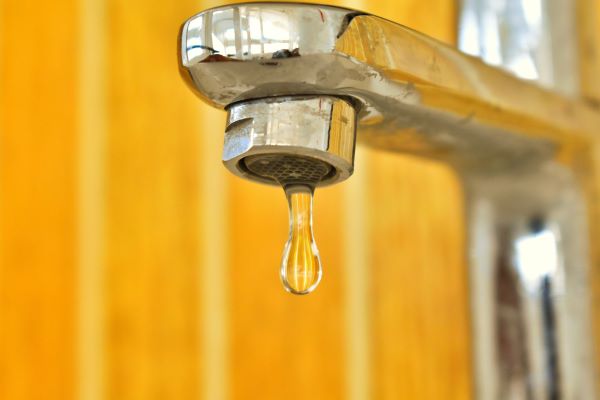
 Imagine turning on your tap and finding no water, farmers struggling to save their crops, and rice prices rising in the market. These problems could all be linked to one climate phenomenon — El Niño.
India is facing concerns over deficient rainfall, raising questions about food security, drinking water availability and electricity generation. Even Meghalaya, known for its heavy rainfall, is feeling the impact.
Chief Minister Conrad K. Sangma has flagged a monsoon rainfall deficit of over 60 per cent in the state, linking the situation to El Niño. Although early rains in March and April provided some relief, the subsequent shortfall has highlighted the need for stronger water conservation measures.
So, what is El Niño, and how can it affect everyday life?
El Niño occurs when surface waters in the central and eastern equatorial Pacific Ocean become warmer than usual. This changes atmospheric circulation and influences weather patterns worldwide, including India’s monsoon.
El Niño is often associated with weaker monsoon rainfall in India, although its impact varies across regions and depends on other climate factors.
When rainfall falls below normal, the consequences can extend from agricultural fields to household taps. Less rain means reduced soil moisture, lower replenishment of water sources and potentially greater pressure on reservoirs.
Indian agriculture remains heavily dependent on monsoon rainfall. When rain is insufficient, farmers may struggle to sow crops on time or maintain adequate soil moisture.
Rice, pulses, maize and oilseeds can all face water stress, depending on local conditions and irrigation availability. If production declines significantly, supplies could tighten and food prices could rise.
The concern also extends to the upcoming Rabi season, particularly in rainfed areas. Crops such as wheat, mustard and chickpea may face difficulties if soil moisture remains low.
However, higher prices are not inevitable. Government stocks, irrigation facilities, imports and market conditions will influence the eventual impact.
What happens to dams and power supply?
Dams and reservoirs depend on rainfall and river inflows to replenish water used for drinking, irrigation and electricity generation.
When rainfall remains deficient, storage levels can come under pressure. Hydropower generation may also be affected if river flows or reservoir levels decline, potentially forcing states to rely more on other sources of electricity.
The impact, however, will vary across regions depending on local rainfall, storage capacity and water consumption.
The situation in several states is so bleak that water released from dams has been reduced to keep storage for drinking water, not only for humans but also for livestock.
Meghalaya’s rainfall deficit highlights an important reality: heavy annual rainfall does not automatically guarantee water throughout the year.
Sangma said the state had formulated a Water Policy and used satellite imagery to map around 17,000 springs. Measures are being taken to revive springs in particularly dry areas.
The government is also continuing a Rs 300-crore World Bank-funded project covering the catchment areas of the Umngi and Ganol rivers, important drinking water sources for Shillong and Tura.
According to Sangma, nearly half of Meghalaya’s allocation under the rural employment guarantee scheme is being used to create and protect water sources, including water-harvesting structures and check dams. The state is also working with communities and traditional heads to protect catchments and undertake plantation.
These measures aim to conserve rainwater and improve water availability during dry periods such as this. But only time will show how the measures have made an impact.
A study cited in recent reports has projected around 15,800 additional heat-related deaths in India over six months compared with a normal year, amid concerns that El Niño conditions could strengthen and persist until February 2027.
Recently, the World Meteorological Organisation predicted a mammoth El Nino condition where the sea surface temperature in certain areas in the Pacific Ocean will be a record-breaking 3.7 degree celsius higher than the average.
Higher temperatures can increase water demand, accelerate moisture loss and place vulnerable populations at greater risk.
The challenge is not simply how much rain India receives, but how effectively it stores and manages that water.
Because when the monsoon fails, the impact goes far beyond the weather — reaching farmers’ fields, electricity supplies, household taps and the price of food on our plates.
WATCH MORE VIDEOS