
Sri Lanka: A journey through history, heritage and nature
An island where ancient kingdoms, mist-covered mountains, wildlife and golden beaches come together

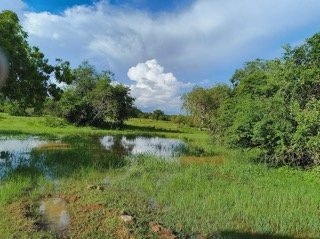
 Recently, I had the opportunity to visit Sri Lanka on a vacation with my husband and close friends. Sri Lanka is often described as the Pearl of the Indian Ocean and is a destination that offers much more than beautiful landscapes.
A country that has rich culture, spirituality, a dominant historical experiences, and most important, where nature exists in remarkable harmony. We visited five fascinating destinations—Sigiriya, Nuwara Eliya, Kandy, Yala and Bentota. Each place offered a different experience, revealing a new dimension of the country’s rich heritage and its appeal as a tourist destination.
Historical Significance
The name Sri Lanka has its roots in ancient Sanskrit and Sinhala traditions, and its history is quite fascinating. The island has been known by several names over centuries, reflecting its cultural, religious and colonial history. It typically means Sri (a Sanskrit word meaning auspicious, radiant and glorious) and Lanka (ancient name of the island, found in Indian literary and historical traditions).
According to history, Sri Lanka was ruled by the Portuguese, Dutch and British before gaining independence from Britain on February 4, 1948. While the name Ceylon continued after independence, in 1972 the country adopted a new republican constitution and officially changed its name to Sri Lanka. This was an important step in moving away from its colonial identity and reaffirming its indigenous historical and cultural identity.
Sri Lanka also has a special place in Indian cultural and literary history. In the Ramayana, Lanka is described as the kingdom of Ravana, where Sita was held captive. As a result, this has created a strong cultural association between Sri Lanka and the Ramayana tradition.
Sigiriya: Where History Reaches the Sky
As a remarkable landmark in Sri Lanka, Sigiriya is popularly known as the Lion Rock. Rising dramatically above the surrounding plains, this massive rock fortress is a testament to the architectural imagination and engineering capabilities of an ancient civilisation. It was built during the reign of King Kashyapa in the fifth century CE (477–495) and served as a royal citadel and palace.
The king transformed the imposing rock into a fortified residence, complete with landscaped gardens, water features, moats and sophisticated hydraulic systems. The remains of the magnificent Lion Gate, through which visitors once entered the palace complex, add to its historical significance.
The famous Sigiriya frescoes, depicting beautifully adorned female figures, offer a glimpse into the artistic traditions of the period. The Mirror Wall, once polished to reflect the king’s image, carries inscriptions and verses left by visitors centuries ago.
The climb to the summit is an experience in itself and offers an opportunity to appreciate the ingenuity of the people who created this extraordinary structure despite the physical effort. The panoramic views of the surrounding greenery and countryside make the ascent worthwhile. Recognised as a UNESCO World Heritage Site, Sigiriya is not merely a tourist attraction, it is a reminder of Sri Lanka’s sophisticated past.
Nuwara Eliya: A Little England in the Hills
Nuwara Eliya is situated in Sri Lanka’s central highlands and this picturesque hill station is known for its cool temperatures, rolling tea plantations, mist-covered mountains and colonial-era architecture and brings a complete change of landscape and climate.
It is often referred as Little England and has retained traces of British colonial influence in its buildings, gardens and general character. Its history is closely associated with the development of commercial tea cultivation during the nineteenth century. The introduction and expansion of tea plantations transformed the region’s economy and landscape, making Sri Lankan Ceylon tea internationally renowned and most celebrated exports.
The town also offers attractions such as the Gregory Lake, Victoria Park and the surrounding waterfalls. Its pleasant weather and scenic beauty make it a welcome retreat from the tropical heat experienced elsewhere on the island.
Kandy: The Spiritual and Cultural Heart of Sri Lanka
Kandy is one of Sri Lanka’s most important cultural and religious destinations and is surrounded by hills and centred on a beautiful lake. The city was the last capital of the Sinhala kings before the British took control in 1815.
Its most significant landmark is the Temple of the Sacred Tooth Relic, or Sri Dalada Maligawa, which houses what is believed to be a tooth relic of the Buddha. The temple is among the most sacred Buddhist pilgrimage sites in the world and attracts devotees and visitors from different countries.
The temple complex reflects traditional Kandyan architecture, with intricate woodwork, decorative ceilings and richly adorned interiors. The religious rituals conducted here provide an insight into the spiritual traditions that continue to shape Sri Lankan society. While the tooth is no longer available a casket is placed where perhaps the tooth was kept.
An Encounter with Giants of the Ocean
We went on a boat early in the morning to watch dolphins and Fin whales on the Mirissa off the southern coast in Pinnawala. We were lucky to spot some dolphins prancing in the water and managed to spot some Fin whales. The ride was for around three hours. Watching these magnificent creatures in their natural habitat is an unforgettable experience and a reminder of the need to protect our marine ecosystems.
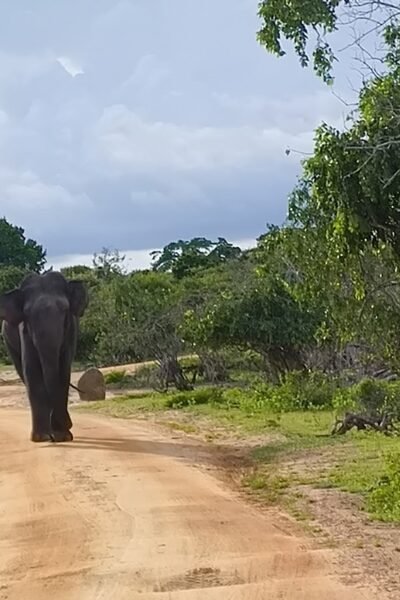
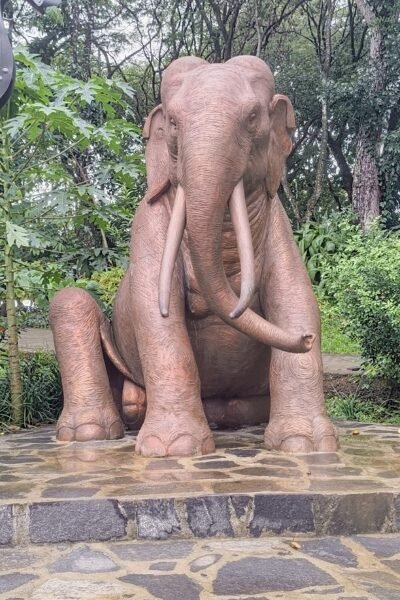 At Yala National Park, Sri Lanka. Photo by author
Turtle Sanctuaries – Protecting an Ancient Species
Situated in Koggala in Galle district the “Sea Turtle Farm & Hatchery” is a non – profitable organisation which is maintained for the survival of Sea Turtles for the next generation. The centre was started in 2010 and up to now we have released more than 100,000 Turtles.
Our guide said that the female turtles come to the shore in the night and dig holes to lay eggs and go away. The sanctuary then picks them up, conserves them and let them into the sea once they are able to move. Injured turtles (through propellers of boats and poaching) are also rescued and nursed till they are better.
Yala: An Encounter with the Wild
The Yala National Park offers a glimpse into the extraordinary world of nature and is located in the south-eastern part of Sri Lanka. It is one of the country’s best-known wildlife destinations. We went on a safari and sighted tons of deers and stags and were very lucky to see an elephant walking gently swaying its trunk and just passed near our jeep.
Peacocks are a galore strutting proudly and other birds chirping on the trees. Unfortunately, we could not spot any leopards or crocodiles. Throughout the ride, we were watching and waiting but in vain. However, Yala National Park highlights the importance of conservation and the need to protect habitats that support such remarkable biodiversity. It is a nice place for wild photography.
The Pinnawala Elephant Orphanage was established in 1975 to care for orphaned, injured and abandoned Asian elephants. Located near the Maha Oya River. It offers visitors an opportunity to observe elephants at close quarters, particularly during their bathing sessions in the river. Beyond its appeal as a tourist attraction, Pinnawala highlights the importance of protecting Sri Lanka’s endangered Asian elephants and creating awareness about wildlife conservation.
Bentota: The Beauty of the Indian Ocean
According to local folklore the name Bentota attributes its origins to a mythical guardian named Bem, believed to have protected the banks of the Bentota River. Travellers crossing the river in earlier times were said to have sought divine protection before undertaking the journey. Another interpretation traces the name to Bhima Theertha, associated with a dangerous river crossing.
The river that was once associated with danger and uncertainty is today one of Bentota’s biggest tourism attractions. It is a popular destination for beach holidays and water-based activities, including boating, jet skiing, windsurfing and other water sports. Bentota is also associated with Ayurveda and wellness tourism, attracting visitors seeking traditional therapies and relaxation. Its coastal resorts, seafood and spectacular sunsets make it an ideal place to unwind.
An Island of Many Experiences
Looking back at our journey, what stands out is the extraordinary variety Sri Lanka offers its visitors. Sigiriya takes us back to the grandeur of ancient kingdoms; Nuwara Eliya reflects the legacy of colonial history and the tea industry; Kandy provides an understanding of the island’s spiritual and cultural traditions; Yala brings us closer to its natural wealth; and Bentota offers the simple pleasures of its coastline.
There is also something particularly appealing about Sri Lanka’s geographical and cultural diversity. Its landscapes, traditions, cuisine, architecture and warm hospitality create an experience that is both enriching and relaxing.
For travellers from India, Sri Lanka also has a familiar yet distinct cultural connection. Its Buddhist heritage, historical links with the Indian subcontinent, religious traditions and shared culinary influences make the island especially interesting to explore.
Sri Lanka is, therefore, much more than a beach destination. It is a country where every journey tells a story, every landscape has a character and every destination offers something different. I returned with an appreciation of an island that has successfully brought together its past, its natural environment and its vibrant tourism experiences.
What makes Sri Lanka particularly interesting is its diversity. Within relatively short distances, one can travel from ancient royal capitals to colonial-era hill stations, from sacred Buddhist temples to forests inhabited by elephants and leopards, and finally to tranquil beaches along the Indian Ocean.