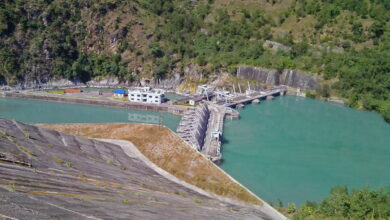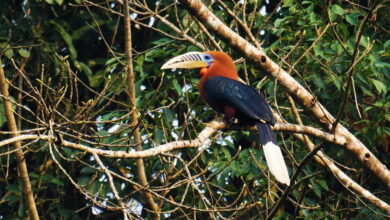




 North Garo Hills in Meghalaya is one of the most resource-rich yet underdeveloped regions in the North East. Blessed with fertile soil, dense forests and scenic landscapes, the district has immense potential for agriculture, tourism and small-scale industries.
The region is dotted with rivers such as Damring, Didram and Manda, which support irrigation and local livelihoods. Forest resources, including sal, teak, and agarwood, once formed a strong economic base, though concerns over depletion are now emerging.
Agriculture and Horticulture: Backbone of the Local Economy
Agriculture remains the primary source of livelihood in North Garo Hills. Farmers cultivate paddy extensively, along with betel nut, betel leaf, and black pepper. The region also produces a variety of horticultural crops such as bananas and the well-known mandarin oranges.
However, mandarin orange cultivation has seen a steady decline due to pest infestations. Farmers report limited technical support and inadequate intervention from authorities, highlighting gaps in agricultural policy implementation.
Tourism Potential Remains Untapped
Despite its natural beauty — lush valleys, unique rock formations, and water bodies — North Garo Hills has not been effectively developed as a tourism destination. There has been minimal large-scale intervention by the Meghalaya Democratic Alliance (MDA) government in building tourism infrastructure.
Emerging Private Initiatives
In the absence of a strong government push, local entrepreneurs have started small-scale tourism ventures. Homestays, roadside eateries and budget accommodations are gradually emerging, indicating growing interest in community-based tourism.
Key Tourist Attractions in North Garo Hills
Resubelpara Constituency
- Randi Nokap Rock Garden (Nokat Apal): Known for rare and unique rock formations
- Joldi Wari Lake: A historic lake believed to have formed after the 1897 earthquake
- Natural Hot Springs: Local attraction with tourism potential
Kharkutta Constituency
- Rongma Gitil Eco Park (Nengbrak): Scenic eco-tourism site
- Aritcha A-bri: Cultural and natural attraction
- Chotcholja Napakgittim: Emerging paragliding destination
- Nakachikong Basillin & Adokgre: Popular picnic spots
Infrastructure and Industrial Growth
Connectivity and Access: Mendipathar Railway Station serves as a key entry point and is regarded as one of the cleanest railway stations in Northeast India.
Agro-based and Industrial Initiatives: The Mendipathar Multi-purpose Cooperative Society (MMCS) has emerged as a model for rural development. It promotes integrated farming systems, including:
- Dairy
- Piggery
- Poultry
- Vegetable cultivation
- Mushroom processing
The presence of Varun Beverages Ltd, a Pepsi bottling plant in Mendipathar, has also boosted local employment, engaging around 600 workers, many of whom are from the Garo community.
Chidimit village has gained prominence for housing Meghalaya’s only centrifuged natural rubber latex collection centre, playing a key role in the state’s rubber value chain.
Upcoming Projects and Economic Opportunities
A fruit dehydration processing unit is currently under construction near Mendipathar and is expected to be operational within the next 12–13 months. Experts believe such initiatives can significantly enhance value addition in agriculture and improve rural incomes.
Key Challenges: Policy Gaps and Underutilisation
Despite its vast potential, North Garo Hills continues to face multiple challenges:
- Lack of structured tourism policy and promotion
- Inadequate infrastructure development
- Weak agricultural support systems
- Limited pest management solutions for farmers
A Region Waiting for Strategic Intervention
North Garo Hills stands at a critical juncture. With its rich natural resources, emerging private initiatives and growing agro-industrial base, the district has the potential to become a key economic hub in Meghalaya.
However, without targeted government intervention, investment in infrastructure and sustainable tourism planning, the region risks remaining underdeveloped despite its natural advantages.