
Mawsynram: An adventure worth exploring
While several places in Mawsynram are known to local tourists, these sites need to be popularised to get the attention of visitors from outside the state

There is more to Meghalaya than the green hills behind the mysterious veil of clouds. The simple life in its villages, the humility of its people, the harsh reality of their existence and yet the warmth with which they embrace every traveller are unique to this state. Two young adventurers explore some of the places and share their experiences, which will be published in a series in Sunday Monitor. This is the first part in the series.)
Heather Cecilia Phanwar & Lyntiborn Marngar
“Are you sure Mawsynram is the right place to visit right now?” my friend asked half-heartedly as we carried our backpacks for our weekend trip. A trip to a place we are not familiar with, even though we grew up barely 60 kilometres away.
That felt like a story right here. Two locals, going not with a list of famous spots to tick off, but out of plain curiosity, to a place that tourists from other countries seem to know better than we do.
Meghalaya recorded 18 lakh tourists in 2025 alone. Various festivals have been drawing bigger crowds, and places like Shnongpdeng, Laitlum Canyon, and the Living Root Bridges have become the names everyone knows. Cherrapunjee has long been everyone’s favourite. But a short drive away, Mawsynram has its own story to tell, and its own corners that are still waiting to be explored.
Three of its lesser known spots, Mawlyngbna, Phlangmawsyrpad, and Phlangwanbroi, are already on the tourist map. What they need now is not to be discovered, but to be noticed. A small push so that more people know they exist.
So we went to see for ourselves. Not just the scenery everyone expects from this part of the world, but the local experiences too, the traditions, the small customs, the stories that don’t make it onto a map. Here is what we found.
Mawlyngbna— People’s village
The aura that Mawlyngbna presents when you enter the village is refreshing. The smell of fresh crisp air as you breathe in just calms your senses. This village is a strong example of communities working together, and it shows in everything, from how the youths are kept engaged to how visitors are welcomed.
Walking through Mawlyngbna, you will notice that everyone seems to know everyone else. Even strangers exchange a nod and a smile. Despite the language barrier, villagers are quick to strike up a conversation with visitors, asking where they are from, and even a simple hello is often enough to break the ice.
The village holds a weekly evening market called Sngi Iew, where everyone comes out to buy things you will not find in the everyday market. As you walk through the small market that the village has, you will notice waste bins which are kept in line on both sides. Children run through the narrow lanes leading up to it, and do not be surprised if a stray pig runs past you too. Despite not having proper waste management, the village conducts cleaning drives often with the help of community members, SHGs, youths and children. While walking through the village, one will understand that safety is not an issue. People are friendly, open to having conversations and telling stories especially when you just sit in a tea stall to have a cup of ‘sha saw’ (red tea). Just remember to ask for it without sugar, because like the people here, the tea tends to be sweet.
One afternoon, while being driven around by two members of the community, we rolled down the car window and caught the smell of fresh bay leaf drifting in from the roadside trees, where the plant grows in abundance. They stopped the car, plucked a branch, and handed it to us. It was more than enough to last us months, and a reminder of how much this land quietly offers.
To enable youths to not stray away from society, the community as a whole works hand in hand with the Dorbar Shnong (Village Council) to create job opportunities for them. Speaking to members of the Dorbar Shnong, jobs are plenty for them. They try to engage the youths either in agriculture (when it is the off-season for tourists), tourism activities (work as tour guides) or be involved in their own businesses.
‘Self-sufficiency’ village
There is a rich abundance of agricultural activities in these areas. It is the main source of livelihood to all families residing in the community. This acts as a sustenance to their income during the winter season, where the flow of tourists is lesser due to the adventure activities that require rainfall.
The community has agricultural products of high value crops. During the monsoon season, they are actively engaged in the tourism sector where the youths act as tour guides. But during winter they are off to the field doing agricultural activities. Some of the crops produced in the region are bay leaves, which are found plenty on the side of the road, other crops include broomstick and wild black pepper. These crops highly depend on seasons such as winter with a little bit of rainfall. Diving deep into the employment opportunities the locals do not see unemployment as an issue. The values that they have are hard work and creating opportunities. All youths undergo training on tourism (mainly as tour guides) which is usually organised by the local institution or the Dorbar. This shows the collectiveness of community members and having a vision for the youth in the community.
Bridging the community with entrepreneurship programmes can significantly boost the economy of the region. Tourism is already a growing sector that attracts tourists both nationally and internationally. Beyond tour guides services or establishing homestay/guest house, promotion of the indigenous crops/products, a traditional practice will strengthen the identity and brand of these goods and the community. Tourists will not only carry home the memories of the scenic beauty but also take with them the local products produced by the locals as souvenirs.
Redefining safety for women
There is a common assumption that women should not travel to remote areas alone. Our time in Mawlyngbna said otherwise. Every visitor is assigned a point of contact from the community who looks after food and lodging, along with a trusted local guide identified by the Dorbar. Homestays here are limited in number, but not in warmth. Hosts go out of their way to make guests comfortable, arranging local food based on preferences shared in advance, and keeping generators ready in case of power cuts. It is a small operation, but the hospitality makes it feel like far more.
Beyond the stereotype that women are unsafe to travel alone, our journey to Mawsynram proved otherwise. Here’s why: Locals are responsible towards any guests/tourist arriving at their location. Every visitor is assigned a point of contact from the community who looks after food and lodging, along with a trusted local guide identified by the Dorbar. The tourist guide also accompanies the guests to the tourist spots in the area.
Markets come alive in the evenings, and wherever we went, we were offered kwai (betel nut), a small but meaningful gesture of welcome. Whether we were meeting the (all male) village council or exploring tourist spots with our guides, we felt genuinely safe.
Despite being new to the place, travelling by local taxis from Anjalee stand to Mawsynram and within the region itself never instilled the fear that we are outsiders exploring what the region has to offer. This experience highlights an important lesson: Stereotyping and misjudging a place without experiencing it first hand is a hurdle in itself as you are limiting yourself to what the world portrays rather than the beauty of the place and the people.
‘Feel at home’ Homestays
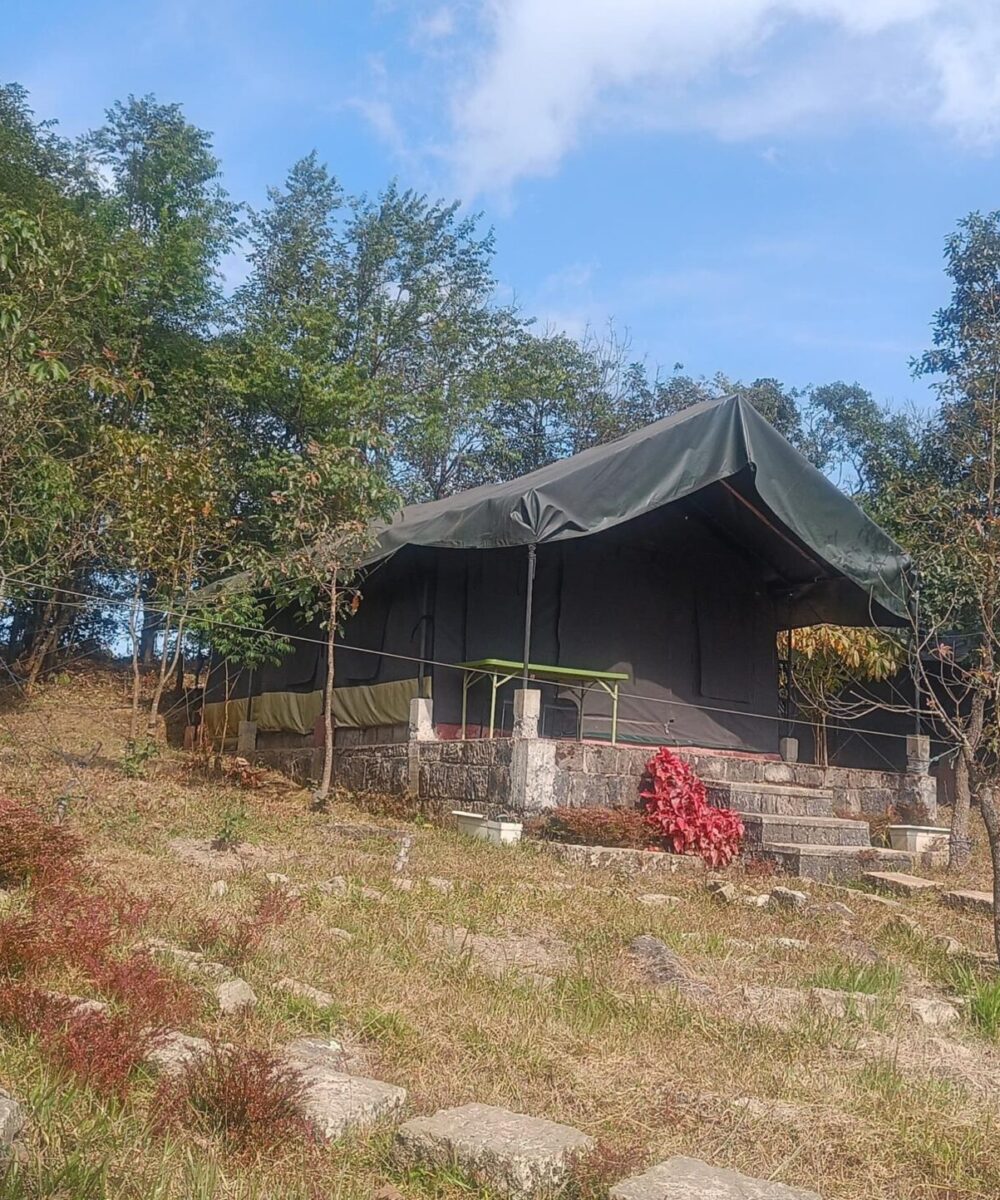
The availability of homestays is less but the service they provide is of utmost care. From food to hospitality, the home stay owners make sure that the guests are provided for and satisfied with their service. The ‘feel at home’ comfort can be seen with the way the owners handle their guests. Homestay owners collaborate with each other if there is an overflow of guests during the peak season. The home stays are at arm’s length from the main tourist spots in Mawlyngbna. Despite the erratic power supply, the home stay owners keep a generator for the guests so that all their gadgets are all charged up. While for some since they do not have electricity, they do provide generators for the guests. The comfort of their guests is their highest priority. Local food is served for the guests to let them immerse in the local cuisine and upon prior information before the guests arrive that food according to their preference is arranged.
Dedicated tour guides
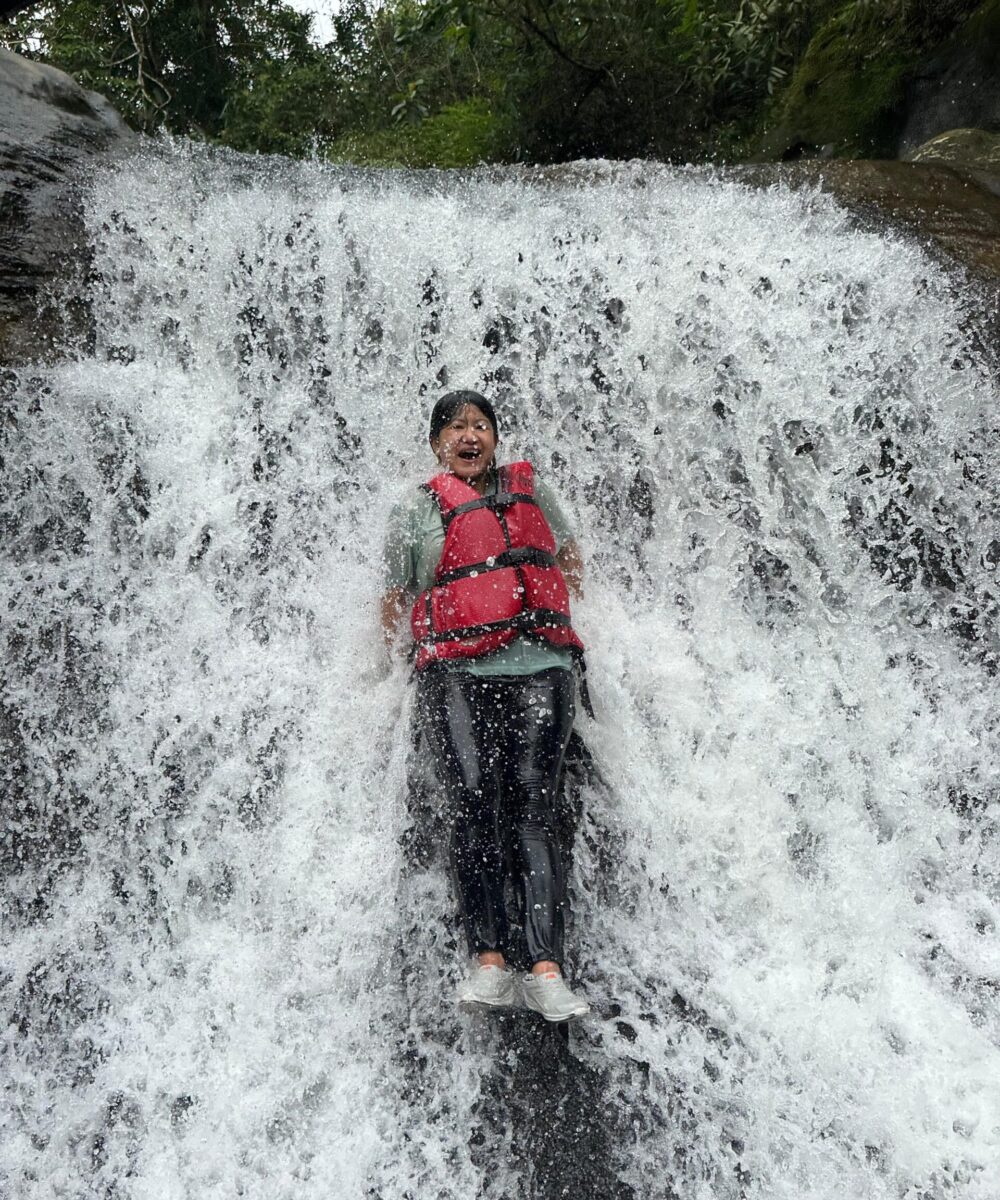
Tour guides range from teenagers to seniors who are experts in the field. Their friendly faces build the excitement to explore the different activities that are in store for the guests. Water activities are the most fun, a highlight for every visitor especially during the peak tourist season which starts from April and continues till October-November. Different tour guides have undergone training be it in adventure activities, first aid, hospitality among others. They are also trained on how to handle guests, safety of guests during water activities, and take them to different tourist spots that Mawlyngbna has. Their dedicated services start from the day the guests arrive till they depart. They help the guests with anything that they need. The language barrier is a challenge but you can see that they are motivated to communicate with whatever skills they have to make their interaction fruitful and engaging.
Things to Do
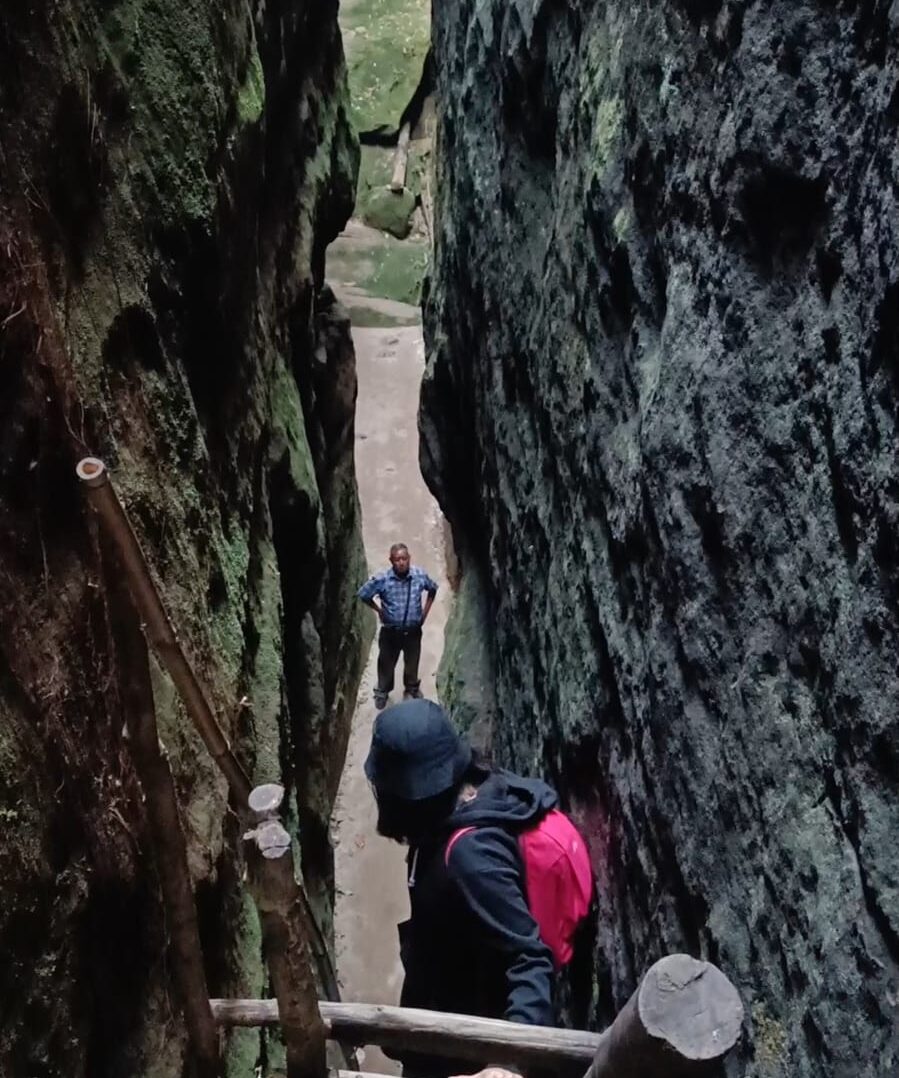
Exploring Split Rock should be on everyone’s itinerary. This rock was split in the middle during the 1897 Assam earthquake. A tourist can walk through the middle of the Rock and explore it. Once you enter, you will feel like it is a ‘natural Air-Conditioner’ breathing in the fresh air. Climbing through the wooden ladders from one point to another makes exploring Split Rock more exciting. This is not for the faint hearted since the entrance is quite small and you have to navigate properly so as not to slip. A guide is provided to help those who need assistance. Skimming through the Rock you can see that the ladders used inside are made of roots which keeps the structure of the Rock intact.
Umkhakoi Dam is another tourist spot which is famous for its water activities. River canyoning/trekking, kayaking are the fun things one should experience especially if you are a water lover. The dam is not far from Split Rock and you can also explore fossils/animal footprints which have been there for so many years now. Caving is another activity for adventure lovers since the area has many unexplored caves. An overnight stay at Mawlyngbna is the best option for you to enjoy all the beautiful places it has to offer. This place offers more than what meets the eye.
Mawlyngbna is also home to India’s only native carnivorous pitcher plant (Nepenthes Khasiana) where it is grown abundantly. Locals believe it to be a medicinal plant that can cure various diseases. Traditional practitioners still use this plant for medicinal purposes.
Have you ever watched the stars with a view of another country in sight? Well Nongtrai village which is 18.5 km away from Mawlyngbna offers just that. Not many tourists know about this place which has a viewpoint overlooking the plains of Bangladesh. Standing at the viewpoint, one can see the border of Bangladesh all lit up like a runway while stargazing and breathing in the fresh breeze. A few minutes here will ease your mind after a long day of adventure.