



Sambhav Varshney
Every year, on June 5, the world comes together to celebrate World Environment Day—a reminder that the Earth is not merely a place where we live; it is our shared home. It sustains every form of life, from the smallest microorganism to the largest mammal, from dense forests to vast oceans, and from bustling cities to remote villages.
As I who began his journey in the peaceful town of Chowkham in Arunachal Pradesh and now works in the field of environmental science in New York, I have witnessed firsthand how closely our future is connected to the health of our environment. Regardless of where we live, nature remains the foundation of our existence.
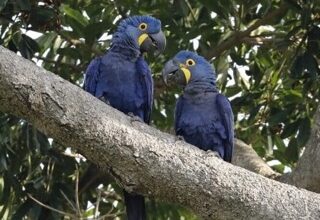
The environment is often viewed through the lens of human needs. However, environmental protection is not only about safeguarding humanity—it is about preserving life itself. Every tree provides shelter to birds, every river supports countless aquatic species, every forest sustains entire ecosystems, and every healthy habitat contributes to the balance that makes life possible on Earth.
Renowned naturalist and broadcaster Sir David Attenborough wisely said: “No one will protect what they don’t care about; and no one will care about what they have never experienced.”
This quote reminds us that environmental conservation begins with awareness and appreciation. The more we connect with nature, the more committed we become to protecting it.
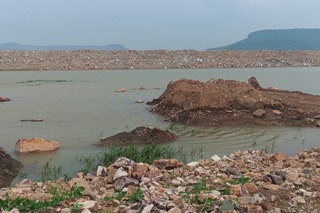
Today, the world faces significant environmental challenges including climate change, biodiversity loss, pollution, deforestation, and water scarcity. Yet, there is also reason for optimism. Across the globe, communities, scientists, policymakers, and young people are developing innovative solutions to restore ecosystems and create a more sustainable future.
Protecting the environment does not always require grand actions. Small, consistent efforts can create lasting impact:
- Plant and nurture native trees.
- Reduce waste and promote recycling.
- Conserve water and energy.
- Avoid single-use plastics.
- Support sustainable agriculture and responsible consumption.
- Protect local biodiversity and natural habitats.
- Educate future generations about environmental stewardship.
The famous conservationist Jane Goodall once said: “What you do makes a difference, and you have to decide what kind of difference you want to make.”
These words carry a powerful message. Every decision we make—from the products we purchase to the resources we consume—shapes the future of our planet.
Environmental protection is also about compassion. When we preserve forests, we protect wildlife. When we keep rivers clean, we safeguard aquatic life. When we reduce pollution, we create healthier conditions for humans, animals, and plants alike. Nature does not exist separately from us; we are part of it.
Another inspiring thought comes from the renowned environmental writer Rachel Carson: “In nature, nothing exists alone.”
This simple statement captures one of the most important principles of environmental science: all living beings are interconnected. The survival of one species often depends on the wellbeing of countless others.
As we observe World Environment Day, let us remember that the Earth does not belong to any single generation. We are merely custodians, entrusted with the responsibility of preserving it for those who come after us.
The choices we make today will determine the quality of life for future generations and the countless species that share this planet with us. Let us move forward with hope, innovation, and responsibility.
Together, we can build a world where economic growth and environmental protection go hand in hand; where forests thrive, rivers flow clean, wildlife flourishes, and communities prosper sustainably.
So, let us renew our commitment to protecting nature—not only for ourselves, but for every living being that calls this Earth home. Because when we protect the environment, we protect life itself.
(The author is a New York-based environmental scientist)