


Shillong, May 17: After more than three decades of temporary burial, the mortal remains of the Queen Mother of Sohra Province, Iartimai Syiem, were cremated with traditional honours. The solemn funeral ceremony was conducted on Saturday ( May 16) by the designated high priest in the presence of the Chief, Marremdor Syiem, the present queen nother, Costlymai Syiem, senior minister S Nongrum, and numerous traditional heads and dignitaries from different provinces across Khasi Hills.
In accordance with long-established custom, the sacred rites were performed by the high priest from Mawshuit, regarded as the original ancestral home of the royal lineage of Hima Sohra. The historical foundation of the province traces back to the confederation of the twelve villages known as Khatarshnong and the sixteen villages called Khathynriewshnong in the southern region of Sohra. Over time, representatives from other settlements were incorporated into the provincial council headed by the Syiem, or traditional Chief, of Hima Sohra.
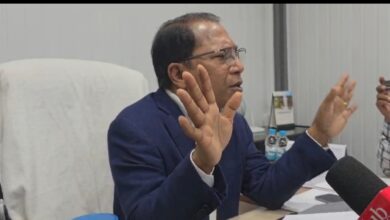
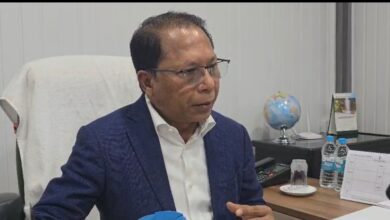
The chief of Hima Sohra, Marremdor Syiem, was recently appointed following the demise of his predecessor and maternal uncle, Freeman Sing Syiem, who passed away on November 3, 2025. In keeping with the customary practice of Hima Sohra, the maternal nephew who succeeds as deputy chief is entrusted with performing the final rites of the deceased reigning chief. Consequently, Marremdor Syiem had earlier officiated as co-celebrant during the funeral rites of his late uncle and predecessor.
The cremation ceremony of his grandmother, who had passed away approximately thirty-two years and six months earlier in 1994, carried profound cultural and traditional significance. By performing the last rites of both his maternal uncle and grandmother, Marremdor Syiem fulfilled important customary obligations associated with the legitimacy of succession within the traditional institution of Hima Sohra.
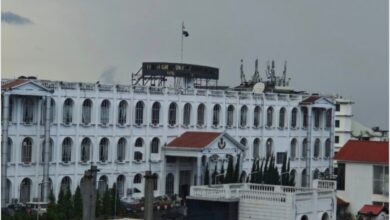
Although he was elected uncontested and endorsed unanimously by the elders, executive council, and citizens of the Hima, the Khasi Hills Autonomous District Council, the constitutional authority entrusted with safeguarding indigenous customs and traditional governance, declined to recognise his appointment and instead appointed another elder to oversee the affairs of the Hima.
In light of these developments, the Executive Council of Hima Sohra is scheduled to meet the Chief Executive Member of the Khasi Hills Autonomous District Council on May 20 to reiterate both the traditional legitimacy and constitutional validity of the appointment of Marremdor Syiem as the rightful Syiem of Hima Sohra.
Throughout the formal funeral proceedings, many speakers expressed sorrow and resentment over what they described as the denial of the legitimate rights of Marremdor Syiem, even as they mourned the passing of the late queen mother. In a deeply moving address, the present queen mother, Costlymai Syiem, spoke eloquently about the maternal compassion and wisdom of her deceased mother. She prayed for divine guidance and enlightenment for the constitutional authorities so that justice and wisdom might prevail in matters concerning the traditional governance of Hima Sohra and the legitimate rights of her son.
Among the other dignitaries who addressed the gathering were Laborious Manik Syiem, Advisor to the Federation of Khasi States, Marremdor Syiem, and minister S Nongrum, who is believed to be a descendant of the traditional kingmaker and negotiator involved in the enthronement of the first Syiem of Hima Sohra.
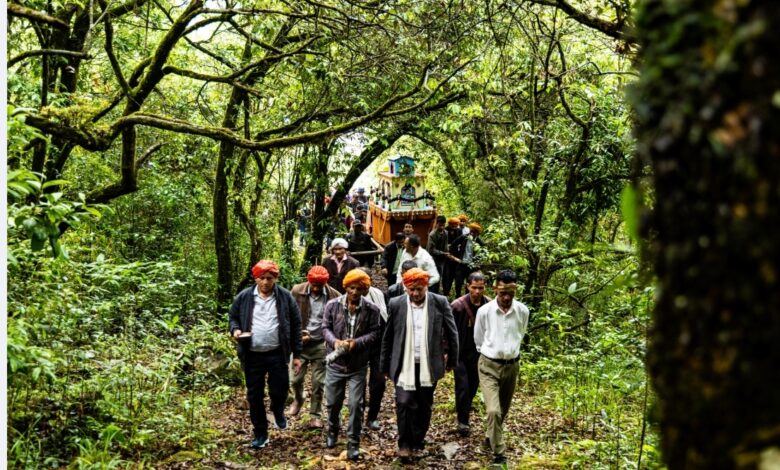
The funeral rites were marked by the performance of the sacred Shyngwiang dance and traditional musical recitations by the minstrels of Mawshuit. The ceremony concluded with ritual prayers offered by the high priest using rice and water, followed by a solemn funeral procession. The bones of the deceased Queen Mother were then cremated upon a specially prepared elevated mound beneath a traditional ceremonial canopy. Before the final cremation, the remains, carried upon a towering ceremonial structure resembling a pagoda, were taken three times around the funeral pyre in accordance with ancestral custom.
The final rites were initiated by the reigning Chief Marremdor Syiem, followed by the Queen Mother and members of the royal clan of Hima Sohra. Citizens of the Hima and well-wishers who attended the royal cremation ceremony also participated by offering betel nut as a symbolic farewell to the departed soul.
At the conclusion of the ceremony, all mourners were invited to partake in a communal feast prepared in honour of the deceased, in keeping with the belief that such offerings ensure peace, dignity, and happiness for the departed spirit on its journey to the abode of the ancestors.