



 Why does Lapangap continue to burn despite years of “peace talks”? Why are farmers still fighting for the right to cultivate land they say belongs to them? And perhaps the biggest question of all — why do both Meghalaya and Assam governments still appear reluctant to permanently resolve the border issue?
Even after the Meghalaya government deployed SF-10 commandos and additional police forces following massive protests by Lapangap villagers, tensions have continued escalating in the disputed border area. Fresh confrontations were reported after farmers tried to resume cultivation in paddy fields near the Assam-Meghalaya border.
The situation has now exposed a deeper reality, and that is governance crisis.
For months, villagers from Lapangap repeatedly raised concerns over alleged harassment, obstruction during cultivation, destruction of crops, and growing insecurity. Yet, government intervention came only after hundreds marched to Shillong and protested outside the Secretariat demanding protection.
Meghalaya DGP Idashisha Nongrang acknowledged that villagers felt they had “not received enough support”. That admission itself reflects the first major issue — government lapses despite months of warning.
But beyond the immediate tensions lies a much bigger political question:
Why are both governments seemingly reluctant to permanently resolve the Assam-Meghalaya border dispute? One reason is political sensitivity.
Border settlements are not just administrative decisions. They involve identity, land ownership, tribal rights, historical claims, and electoral consequences. Any final settlement risks backlash from communities who may feel they are “losing” territory. That makes governments cautious, slow, and often more focused on avoiding political damage than making bold decisions.
Second, both governments appear more comfortable managing the conflict than fully resolving it.
Temporary deployments, peace meetings and high-level statements help contain crises politically. But permanent settlement requires difficult compromises, transparent mapping, and acceptance from local communities — something successive governments have struggled to achieve.
And this hesitation has created a dangerous cycle:
• tensions erupt,
• forces are deployed,
• meetings are held,
• temporary calm returns,
• and then the conflict resurfaces during the next cultivation season.
Lapangap is now trapped inside that cycle.
The future of border talks has also become uncertain.
For months, delays in discussions were often linked to elections and administrative processes in Assam. But now that elections are over, villagers are asking what happens next. Will Phase-II border talks finally move forward seriously? Or will governments once again allow sensitive areas like Lapangap to remain unresolved indefinitely?
Recent peace meetings between stakeholders reportedly failed to produce any concrete breakthrough, even as tensions on the ground intensified.
And this is where criticism against Meghalaya becomes sharper.
If border resolution is truly a “priority,” then why do villagers still need to protest publicly before security forces are deployed? Why are there still no permanent security camps in highly sensitive cultivation zones? Why are local dorbars, traditional heads, ADCs, and villagers repeatedly saying they are not properly included in negotiations?
The disconnect between political announcements and ground reality is becoming impossible to ignore. The villagers are left asking the hardest question:
What happens to them now?
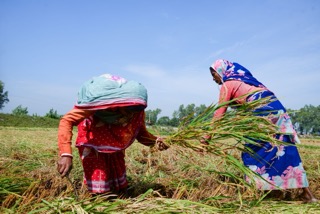
For Lapangap residents, this dispute directly affects survival. Farming is livelihood for them. Missing cultivation season means losing income for an entire year. And now, every farming season risks turning into another confrontation zone filled with armed personnel and fear.
Villagers fear the situation could eventually force families away from cultivation altogether.
So what can actually solve this?
Security deployment alone will not.
The first solution is an immediate interim cultivation agreement between both states — allowing peaceful farming under joint monitoring until final settlement is reached.
Second, both governments need a permanent joint border mechanism involving police, district officials, traditional institutions, and local community representatives.
Third, Phase-II border talks must have clear deadlines, transparency, and regular public updates. Endless negotiations without visible progress are only increasing frustration.
And finally, both governments must stop treating border tensions as seasonal law-and-order problems.
If difficult decisions are delayed for too long, the unresolved borders will turn into permanent conflict zones. Lapangap may continue burning again and again — no matter how many commandos are deployed.
WATCH MORE INSIGHTS VIDEOS: