
When animals become a bridge for therapy
The future of support for children with special needs must be in understanding how humans & animals can work together

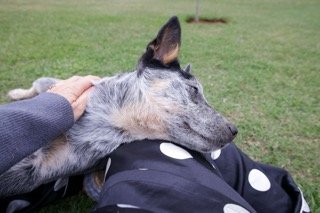
 There are connections that do not need words, a child reaches out to touch a dog, and a smile appears. An orphaned calf is fed from a bottle, turning a routine task into an opportunity for engagement. For some children with disabilities, such simple interactions can open doors to communication, participation and confidence.
Years ago, while working with an animal welfare organisation, I read about programmes in the United Kingdom that used animals to engage children with special needs. Curious about the approach, I contacted the organisation to understand how it worked. The idea was compelling: animals could offer opportunities for interaction that did not feel like conventional therapy.
We explored what might work in India. A dog named Pixie began visiting an organisation once a week, an orphaned calf, being bottle-fed, also became part of the activities. Not every animal was suitable, turtles moved too slowly to hold the children’s attention, while kittens were too lively to handle easily and safely.
Pixie, however, joined simple games with children who were physically able to participate. One boy with Down syndrome would wait for Pixie’s arrival. When she appeared, his face lit up and he reached out to touch her. His mother expressed her happiness saying it was the first time she had seen her son respond and smile in that way. This clearly illustrates a possibility now being explored more systematically-an animal can become a bridge between a child and the world around them.
Why animals?
Children with disabilities may experience communication, movement and social interaction differently. Structured therapy, education and rehabilitation remain essential, but an animal can provide another setting in which children practise skills and engage with others. A dog may encourage a child to reach out, follow an instruction or communicate a request. Activities involving horses may support movement, balance and coordination. Feeding an animal can offer opportunities to practise attention, sequencing and fine motor skills. The value lies not simply in the animal’s presence, but in how the interaction is designed around a child’s needs.
From international experience to Indian initiatives
The United Kingdom’s Riding for the Disabled Association, established in 1969, uses horses and ponies in activities for people with physical and learning disabilities, sensory impairments and neurodivergence. Its programmes illustrate how interactions with animals can be organised within structured activities.
India, too, has experience in this field. Animal Angels Foundation works to extend animal-assisted interventions through trained therapy-dog teams and professional support.
Bengaluru’s Healing Horses has also been associated with equine-assisted services for children with disabilities. In Hyderabad, the L V Prasad Eye Institute introduced a pilot involving trained therapy dogs in paediatric patient-care areas in May 2026. Such initiatives suggest that animal-assisted activities are attracting interest beyond specialised therapy centres.
Can access be widened responsibly?
Affordability remains a major concern. Specialised therapy and rehabilitation services are difficult to access for many families, particularly outside large cities. If animal-assisted interventions are available only through expensive private services, their reach will remain limited. Could selected government hospitals, special schools, rehabilitation centres and community organisations explore suitable programmes? Could non-governmental organisations work with educators and therapists, while veterinary colleges contribute expertise in animal health and behaviour? Carefully designed pilot programmes could help answer these questions.
A child enjoying an animal’s company does not, by itself, constitute animal-assisted therapy. A structured programme needs a clear purpose, appropriate assessment, trained handlers and, where necessary, qualified therapists or educators. Hygiene, allergies, infection prevention, child safety and informed consent must also be addressed. Outcomes should be evaluated rather than assumed.
An animal must not be considered a tool
A child’s wellbeing cannot be separated from the animal’s welfare. Dogs need rest and horses need appropriate care. Animals can become frightened, stressed or overstimulated. They must be handled humanely and allowed to withdraw from interactions. Their welfare is a condition of responsible practice, not an optional extra. Animal welfare organisations and therapeutic services, therefore, need to work together. Veterinarians, animal behaviourists, therapists, special educators and handlers can help establish appropriate standards and safeguards.
Communication: A new approach
Perhaps the most interesting possibility is that an animal gives a child a reason to communicate without beginning with a question from an adult. A child may point to a dog, ask for it to come closer or share an observation. A simple exchange can become an opportunity for social engagement.
For some children, an animal’s presence may encourage participation; for others, it may provide comfort or happiness. These possibilities should neither be romanticised nor dismissed because they appear playful. Play can support learning and engagement when activities are purposeful, appropriate and safe.
The boy who waited for Pixie did not need a technical explanation of therapy. He knew that her arrival made him happy. His mother’s observation remains a powerful reminder of why these approaches deserve thoughtful exploration.
The future of support for children with special needs may therefore not lie in choosing between human expertise and animals, but in understanding how the two can work together. Ideally a therapist brings knowledge, a teacher brings patience and a parent brings understanding. However, sometimes, an animal brings something different altogether: a reason to reach out.
Perhaps that is where the real potential lies—not in making animals into therapists, but in allowing them to become bridges to therapy, communication and connection.
(The author is a passionate animal lover)
Banner image by Magda Ehlers: https://www.pexels.com/photo/relaxed-australian-cattle-dog-resting-in-the-park-34182540/
READ OTHER ARTICLES BY THE AUTHOR
Easy money, costly consequences: The growing threat of mule banking