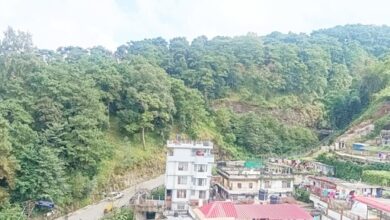


There must be a balance between environment and tourism growth
Resort project on Umiam island can further degrade the fragile lake ecology

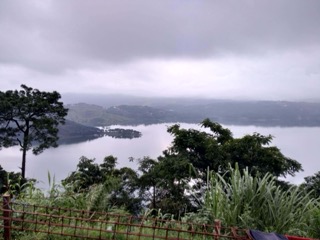
 The calm waters of Umiam Lake—often called the pride and symbol of Meghalaya—are now reflecting more than just the sky and surrounding hills. A growing public debate has emerged over the proposed Taj Resort & Spa project near the lake, with people across the state expressing mixed emotions: hope, excitement, and deep concern.
For many, the arrival of a global hospitality brand feels like a moment of opportunity. For them, it is the much needed boost to niche tourism that Meghalaya needed.
Tourism operators and small business owners also believe that a project of this scale could boost Meghalaya’s tourism economy by attracting high-end travelers and increasing demand for local services.
Some residents also feel that responsible development could help the state showcase its breathtaking landscapes, culture, and hospitality on a global stage.
However, alongside these hopes, a strong wave of concern is also rising.
Environmental groups, including the Green-Tech Foundation, have been raising their voices, urging authorities and citizens to look beyond the economic promise and consider the long-term environmental cost.
And they are right in saying so. Why? Because the Umiam is more than a tourism site. It is the lifeline of the region. It is also the vessel to hold all the water that drains down the hills during heavy monsoon.
The lake is that is washed down into the lake from the tourist-heavy hills of Meghalaya. A mammoth construction along its banks will add to the lake’s ecosystem woes.
The question is why did the government allocate land on the island despite knowing that the lake has a delicate ecosystem.
Activists further pointed out that past Meghalaya High Court directions had stressed the protection of areas near Umiam Lake, particularly restrictions on construction close to the high-water mark.
The debate unfolding in Meghalaya mirrors discussions happening in many parts of the world.
Countries like Costa Rica, for example, have built a thriving tourism industry while protecting their natural environment. The country promotes eco-resorts, limits construction near sensitive ecosystems, and ensures that tourism projects follow strict environmental guidelines. Today, Costa Rica attracts millions of visitors each year precisely because it has preserved its forests, lakes, and wildlife.
Many observers say Meghalaya could learn from such models—where tourism and environmental protection move forward together rather than in conflict.
Meanwhile, the state government has tried to reassure the public, stating that the project will follow environmental guidelines and focus on sustainable, high-value tourism. How can that be possible when the first step of allocating land in such an area for the project is itself a flouting of rules?
The most important thing is that there is a lack of transparency about the type of environmental assessment the government has done or is doing. There is no clear picture about any expert committee, with neutral members, preparing a report.
Some are asking: Can Meghalaya welcome development without losing its natural charm?
Others are wondering: Will strict safeguards be enough to protect the lake for future generations?
For now, the debate continues—raising a question that resonates far beyond the Umiam lake:
Can progress and preservation move forward together, or will one come at the cost of the other?